

Cryotherapy – Baby It’s Cold Inside
- By : PureAire Monitoring Systems
- Posted on : July 18, 2019
- News Room
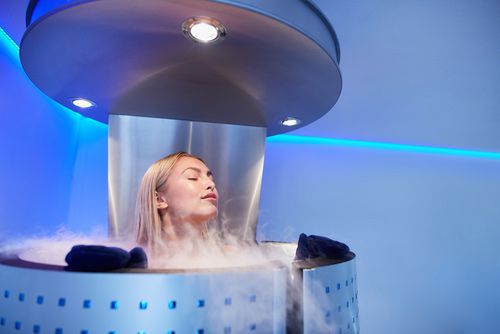
Cryotherapy
Cryotherapy (also known as cold therapy) is broadly defined as the use of very cold temperatures for medical or general wellness purposes. Modern cryotherapy (which comes from the Greek kyro, meaning “cold” and therapeia, meaning “healing”) can be traced back thousands of years, and some form of it was practiced by the ancient Greeks, Romans, and Egyptians, among other civilizations, which used extreme cold therapy to treat injuries and reduce inflammation.
In 1978, a Japanese rheumatologist, Toshima Yamaguchi, developed what is known as Whole Body Cryotherapy (“WBC”), in which, cryotherapy is applied to the entire body; that is, the whole body, except the head, is exposed to extremely cold temperatures. Dr. Yamaguchi’s research found that rapid temperature decreases on the outer layers of individuals’ skin led to a rapid release of endorphins, which caused those individuals to become less sensitive to pain. To put his findings into practice, Dr. Yamaguchi and his associates built the world’s first cryochamber.
How Whole Body Cryotherapy Works
Whole body cryotherapy involves enclosing the entire body (excepting the head) in a cryochamber, with liquid nitrogen used to quickly chill the chamber to temperatures between -200 and -300 degrees Fahrenheit for a period not longer that 2-4 minutes. The extremely rapid cooling of the body causes blood flow to concentrate towards the body’s core, and away from the extremities, which, in concept, can reduce inflammation relating to soft tissue injuries. At the same time, the body releases endorphins, which serve to decrease pain and increase feelings of euphoria.
Health Benefits Attributed to Whole Body Cryotherapy
Whole body cryotherapy is used to treat patients suffering from chronic inflammatory conditions, as well as, Olympic and other elite athletes experiencing muscle soreness, and to shorten recovery times from injuries and surgeries.
Cryotherapy is used to treat joint pain and inflammation due to arthritis and fibromyalgia, and for pain management, physical therapy, anti-aging, and weight loss treatments.
Oxygen Monitors Can Protect Cryochamber Workers and Users
In 2015, a cryotherapy facility employee in Las Vegas was found dead after she suffocated in a chamber. The coroner’s office concluded that the death was caused by accidental asphyxiation, resulting from low oxygen levels, possibly resulting from a leak of the nitrogen gas used to rapidly chill the cryochamber. Nitrogen is an oxygen-depleting gas that is both odorless and colorless. Oxygen deprivation is called a silent killer because there are no indications that one is breathing oxygen deficient air until it is too late. As such, absent appropriate monitoring, workers would be unable to detect a nitrogen leak if one were to occur in a gas cylinder or line. Conversely, by utilizing a top-quality oxygen monitor, also known as an oxygen deficiency monitor, cryochamber personnel can track oxygen levels and detect leaks before a workers’ and users’ health is jeopardized.
PureAire Monitors 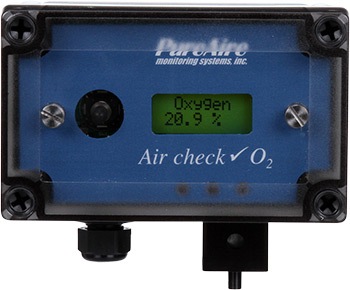
PureAire Monitoring Systems’ oxygen monitors continuously track levels of oxygen and will detect nitrogen leaks before the health of cryochamber operators or users is put at risk. Built with zirconium oxide sensor cells, to ensure longevity, PureAire’s O2 monitors can last, trouble-free, for over 10 years under normal operating conditions. In the event of a nitrogen gas leak, and a decrease in oxygen to an unsafe level, the monitor will set off an alarm, replete with horns and flashing lights, alerting staff and users to evacuate the area.
Best practice calls for oxygen monitors to be installed anywhere there is a risk of gas leaks. The oxygen monitors should be placed wherever nitrogen is stored and, in all rooms where nitrogen is used.
PureAire oxygen monitors measure oxygen 24/7, with no time-consuming maintenance or calibration required.
Each PureAire O2 monitor has an easy to read screen, which displays current oxygen levels, for at-a-glance readings by cryochamber employees, who derive peace of mind from the monitor’s presence and reliability.