

From Farm to Market: Fruit Ripening
- By : PureAire Monitoring Systems
- Posted on : April 11, 2019
- News Room
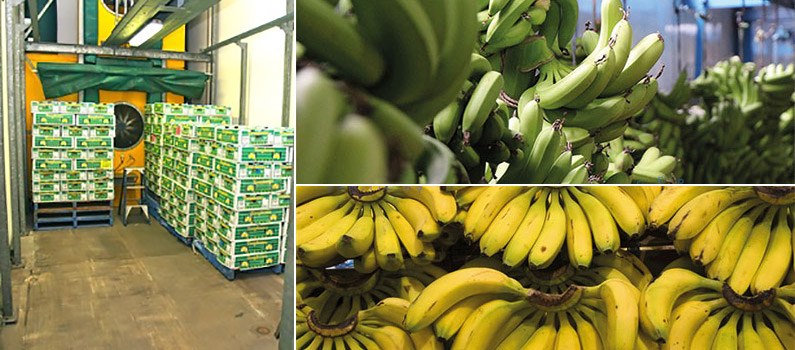
Fruit has a brief window where it is perfectly ripe. If farmers waited until every piece of fruit was ripe before harvesting, farming would be more labor-intensive as farmers rushed to pick ripe fruits. Prices might crash due to a short-term glut of fruit on the market. To ensure a steady supply and demand, keep prices competitive, and reduce food waste, farmers use artificial ripening procedures. One method for ripening fruit after harvest involves ripening chambers. Ripening chambers using ethylene, a natural plant hormone, enable the fruit to be harvested, stored, and transported to where it will be marketed and consumed. While ethylene ripening chambers are beneficial, they are not without risks.
How Ethylene Ripening Chambers Work
While there are other ways to artificially ripen fruit in ripening chambers, ethylene has become a favorite, since it occurs naturally in fruit.
Ethylene is a natural hormone found in plants. Fruits begin to ripen when exposed to ethylene, whether the exposure occurs naturally or artificially. In ethylene ripening chambers, unripe fruits are laid out, and the chamber is sealed. Ethylene gas is then piped into the sealed chamber. As the fruit is exposed to ethylene, the fruit “respires”, which involves intake of oxygen and emission of carbon dioxide. For the ripened fruit to have the right color and flavor, the ripening should occur in a controlled atmosphere in which the temperature, humidity, ethylene, oxygen, and CO2 concentration are maintained at optimum levels.
However, there is a risk of combustion from the ethylene gas, as well as decreased levels of oxygen and increased levels of carbon dioxide inside the chamber.
How Oxygen/Carbon Dioxide and LEL Combustible Monitors Protect Employees
Low oxygen levels cause respiratory distress. If oxygen levels drop below the safe threshold for breathing, which could happen in the event of an ethylene gas leak, employees could suffocate. Suffocation is also a danger when there is too much carbon dioxide in the air. Ethylene gas used in ripening chambers would be hazardous if an employee were to enter the chamber before determining that oxygen and carbon dioxide were at safe levels. 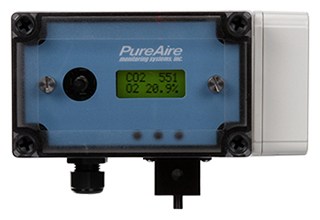
A dual oxygen/carbon dioxide (O2/CO2) monitor detects the levels of oxygen and carbon dioxide within the chamber and sounds an alarm should the oxygen level falls to an OSHA action level or if the carbon dioxide rises to an unsafe level. By checking the monitor’s display, an employee will know when it is safe to enter the chamber.
PureAire Monitoring Systems has developed its dual O2/CO2 monitor with zirconium oxide and non-dispersive infrared sensor (“NDIR”) cells. The cells are unaffected by changing barometric pressure, storms, temperatures, and humidity, ensuring reliable performance. Once installed, the dual O2/CO2 monitor needs no maintenance or calibration.
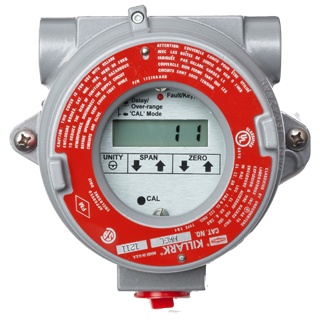
Ethylene is a highly flammable and combustible gas. If the gas lines used to pipe ethylene into the ripening chambers were to develop a leak, the chamber could fill with ethylene and reach combustible levels. A combustible gas monitor, which takes continuous readings of combustible gases, would warn employees of an ethylene leak within the chamber.
PureAire Monitoring System’s Air Check LEL combustible gas monitor continuously monitors for failed sensor cell and communication line breaks. The Air Check LEL gas monitor is housed in an explosion-proof enclosure. If a leak or system error should occur, an alarm will immediately alert employees.
To learn about PureAire Monitoring Systems’ dual O2/CO2 monitors or the Air Check LEL Combustible monitor, please visit www.pureairemonitoring.com.