

Gas Distributors and Specialty Gas Suppliers Are the Key to Technology Companies
- By : PureAire Monitoring Systems
- Posted on : October 02, 2018
- News Room
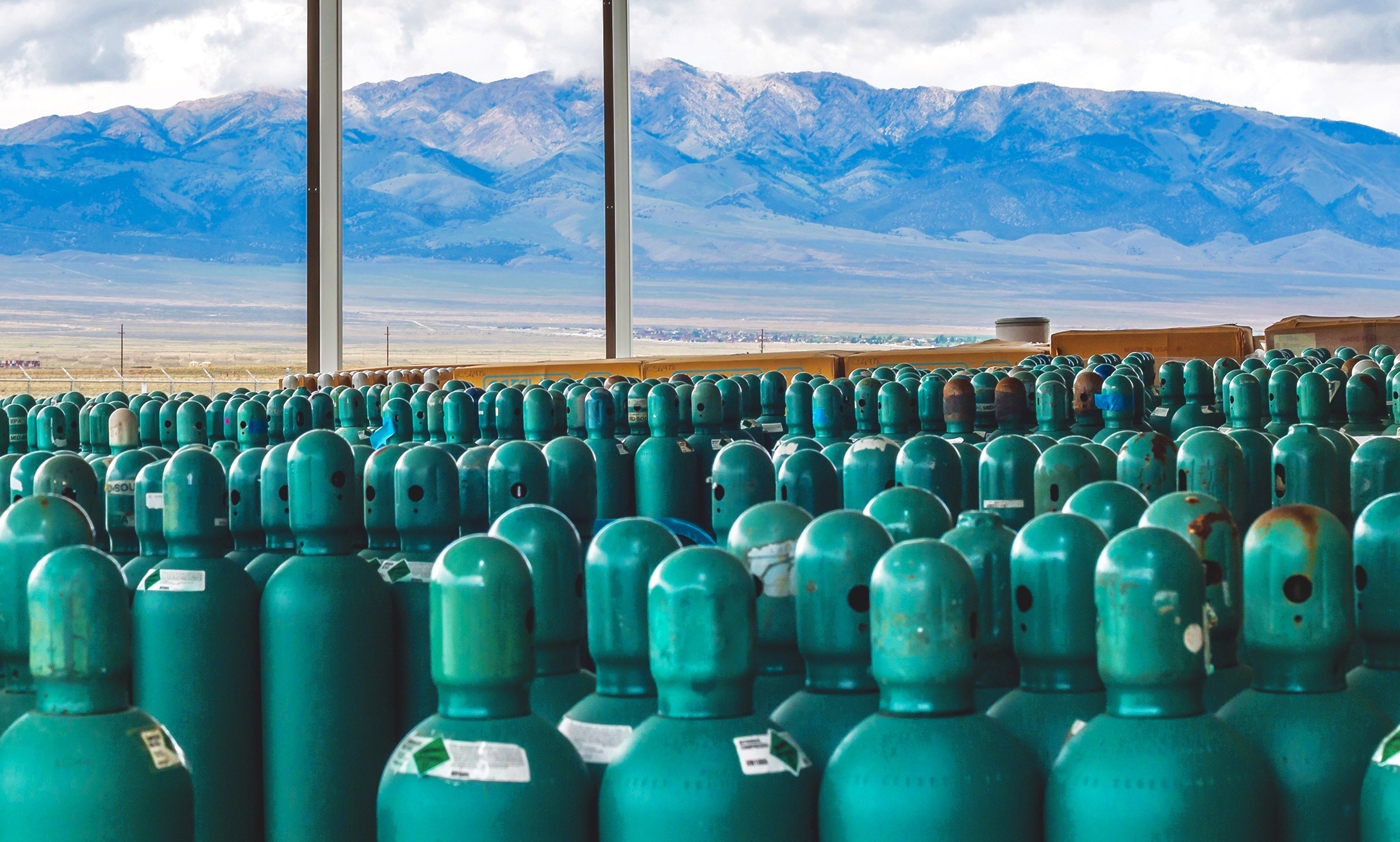
The technologies that power laptops, smartphones, LED televisions, and other technologies rely on one hidden ingredient: Gas. Compressed and inert gases help create a pure environment, control the temperature, and carry other substances for a high-quality end product. See how the different gases used play a pivotal role in technology product development and also how they introduce health and safety risks into the workplace.
Compressed Gases Used in Technology Devices
The most common compressed gases used in technologies include argon (Ar), helium (He), and nitrogen (N2).
Liquid and gas helium have a range of uses in science, laboratory, manufacturing, and technology settings. Within the semiconductor industry, helium keeps the manufacturing environment pure so that no unwanted chemical reactions occur. Since helium conducts heat efficiently, it stabilizes the temperature when silicon is introduced in the semiconductor manufacturing process. Helium’s ability to cool quickly aids in a range of uses, from chilling semiconductor wafers to keeping an MRI magnet cool.
Nitrogen (N2) gas aids with the liquidous stage of semiconductor manufacturing, where the solder is wetting the surface to create a good bond. Since nitrogen flushes out oxygen, it’s also used during the purging process.
Some semiconductor manufacturing facilities have opted for nitrogen generations onsite rather than N2 delivery from a commercial gas supplier. Since nitrogen is one component of air, it can be distilled for purity onsite using a generator.
Like helium (He) and nitrogen, argon or Ar is inert. This gas is introduced in the sputtering phase of semiconductor manufacturing. Since argon maintains a highly pure environment, it prevents silicon crystals used in semiconductors from developing impurities.
To source these gases, semiconductor, LED, and other manufacturers turn to compressed gas providers, who offer on-demand delivery of combustible gases. The chief gas distributors include Praxair, Airgas, Air Liquide, Linde, Matheson Tri-gas, and BOC .
The Hidden Dangers of Specialty Gas
While these specialty gases are highly useful, there is a danger associated with their use. Helium, nitrogen, and argon all deplete oxygen from the air. In the manufacturing process, this is a desired trait. Oxygen can cause flaws in the final product.
Where trouble starts is when leaks occur and the specialty gas escapes into a closed room. Leaks can develop in supply lines, storage canisters, or nitrogen generators. These gases have no scent or color, so employees would not see or smell an argon leak.
Within minutes of a leak, oxygen levels can fall from typical levels to deficient levels, which means that the air in the environment does not have enough oxygen for respiration. Employees can experience fatigue, dizziness, cognitive confusion, and respiratory distress. A few breathe of oxygen deficient air can render someone unconscious. Once an employee loses consciousness, the risk is death via asphyxiation.
By tracking levels of oxygen using an oxygen monitor, employers can prevent workplace accidents and injuries and protect the well-being of their employees. An oxygen deficiency monitor tracks oxygen levels 24/7 and provides fast notification if oxygen levels plummet due to an inert gas leak.
Just as these gases can leak in the semiconductor manufacturing plant, they can leak at the gas distributor as well. Leaks arise when storage equipment and supply lines develop holes, when storage dewars are not properly sealed, or when the equipment is used in a manner for which it was not originally intended or designed.
While end manufacturers are well aware of the risks of an oxygen deficient environment, there is less talk of the need for protection in gas distribution facilities. Wherever He, Ar, and N2 are used or stored, oxygen monitors should be installed as a precaution.
How an Oxygen Deficiency Monitor Works
An oxygen deficiency monitor has a built-in alarm to provide LED and sound alert when oxygen levels fall to the critical defined threshold, which is 19.5 percent. PureAire’s monitors work in confined spaces, including basements and freezers, and function at temperatures of -40 C. PureAire’s oxygen monitors are built to withstand 10+ years of use without subjectivity to barometric pressure shifts or temperature changes. The zirconium sensor needs no annual maintenance or calibration.
If you’re looking for a reliable product that is easy to use out of the box, consider PureAire’s O2 monitor. Learn more about PureAire’s oxygen deficiency monitor or read customer testimonials at https://www.pureairemonitoring.com.
Source:
http://summitsourcefunding.com/blog/helium-is-a-critical-part-electronics-supply-chain/