

Helium and MRI Rooms Around the World
- By : PureAire Monitoring Systems
- Posted on : January 08, 2014
- News Room
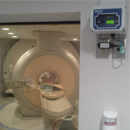
Helium gas is something most people feel fairly familiar with. Children are enthralled with the magical beauty of a floating balloon, watching it reach toward the sky and hoping not to lose their grip on the string. Helium feels safe, and while people surround themselves with flying wonders filled with this lightweight gas, the real magic of helium is taking place in MRI rooms across the globe. With this magic, though, comes some danger.
Magnetic Resonance Imaging (MRI) uses strong magnetic fields to surround the part of the body needing to be studied. The resulting images are important for diagnosis and further understanding of a problem, but it is equally important that the procedure be safe and controlled. In the process of using the MRI machine, the magnet becomes superheated, and this heat needs to be kept in check. Liquid helium, at a temperature of -450° F, surrounds the magnet and keeps it cool enough to remedy the danger of overheating, in turn posing its own risk.
A Helium leak would displace the oxygen in a room, suffocating anyone inside. Because it is colorless and odorless, an oxygen deficiency monitor is required for detection. A person closed inside the room would not notice the leak on their own, and it would be too late. In the event of a helium leak, an O2 monitor would sound at the first detection of oxygen displacement, warning anyone inside the room of the danger and allowing them to evacuate in plenty of time.
Since the 1980’s, the number of MRI machines in use has risen from 12 to over 25,000. This in turn makes MRI machines the #1 users of liquid helium in the world. The relationship between the hot magnets and the cold helium is what makes the work of this important machine possible. With the use of an oxygen deficiency monitor, doctors and patients at least have one less thing to worry about. They can focus on the physical ailment at hand, and feel safe in knowing that in the event of a helium leak, they will be warned well before the point of suffocation.
Oxygen Deficiency monitors are recommended in all MRI facilities, and are REQUIRED in all New York City MRI rooms. PureAire Monitoring System’s oxygen monitors are a trusted product amongst MRI designers and users, thanks to their 10 + year oxygen sensor. Unlike the competitors, PureAire’s sensors do not require maintenance or replacement parts and are not impacted by environmental drift. This means no false alarms or failures due to depleted sensors. Without having a yearly service call on the monitor, the cost is very efficient. This translates to prolonged safety without maintenance, and the safest and most reliable possible monitor for this application.
“Thanks again for your support. The oxygen monitors are in their respective locations and are functioning as designed. Nice unit! Everyone thinks they are a great product. The software menu is easy to use and could not be easier to operate.” – Dominion Nuclear
“The O2 monitors are working well and doing a great job! Alarm relays are configured with the exhaust fan and is triggered a couple of times a day if we have cryogenic bottles in the area. Excellent product, repeatable, and reliable as advertised.” – Gulfstream Aerospace