

Paint Booths, or Areas Using Combustible Gases: Why a Requirement for Combustible Gas Monitor Might be Necessary
- By : PureAire Monitoring Systems
- Posted on : November 12, 2015
- News Room
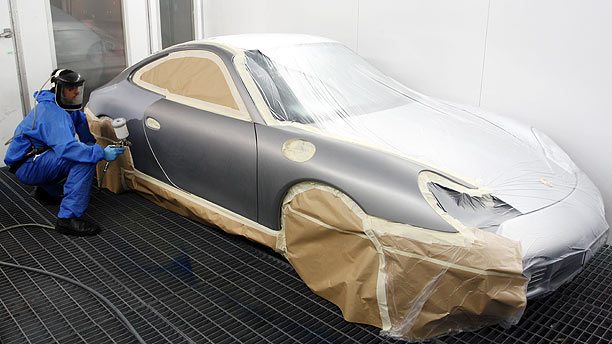
Paint booths save time and ensure a smooth and professional application of paint in a range of industries, including automotive, aerospace, home decor, furniture, and more. Combustible gases and fluids in the paint booth environment can pose a health hazard if something goes wrong. Explore the hidden dangers of paint booth fluids and gases, and learn how a combustible gas detector can increase employee safety in the work environment.
Hidden Dangers in the Paint Booth Environment
The paint booth serves as a protected environment, minimizing many of the problems that would occur if the same item were to be painted out of doors. While paint booths are highly useful and cost effective for a range of applications, they do utilize harmful gases and fluids. Gases and fluids in a typical paint booth environment include compressed air, carbon dioxide, nitrogen, methane, natural gas, kerosene, helium, and custom gas mixes. These gases and fluids are usually piped into the spray booth from an external source; yet in some cases these gases can be piped into the spray booth from a source located inside the building.
When everything is working properly, gases can flow as needed without posing a health risk. Yet if one of the supply lines, pipes, or storage tanks were to develop a leak, one or more of these substances could leak into the air. There are a range of hidden health dangers. Flammable gases, in contact with oxygen, could pose a fire risk. A lower explosive limit or LEL monitor can alert staff if gases have escaped so that staff may take appropriate measures.
Nitrogen poses a severe health risk as it can create an oxygen deficient environment. When oxygen drops below a certain level, employees can experience respiratory distress. Since nitrogen is colorless and odorless, staff have no way of knowing of the danger they may be in, unless there is an oxygen monitor in place.
The protected environment of the paint booth keeps contaminated air from passing through the area, so that the piece can properly dry and cure in between coats. This streamlines the spray paint process to ensure consistency and precision.
When everything functions as it should, the paint booth ventilation controls keep vapors in the mist below 25 percent of exhaust. While routine inspections and internal alarms can ensure you that everything is working well, they are not a failsafe. To protect your staff from the dangers posed by combustible fluids and gases, install a combustible monitor and an O2 monitoring device as a second line of defense.
How an LEL Combustible Monitor Can Protect Your Staff
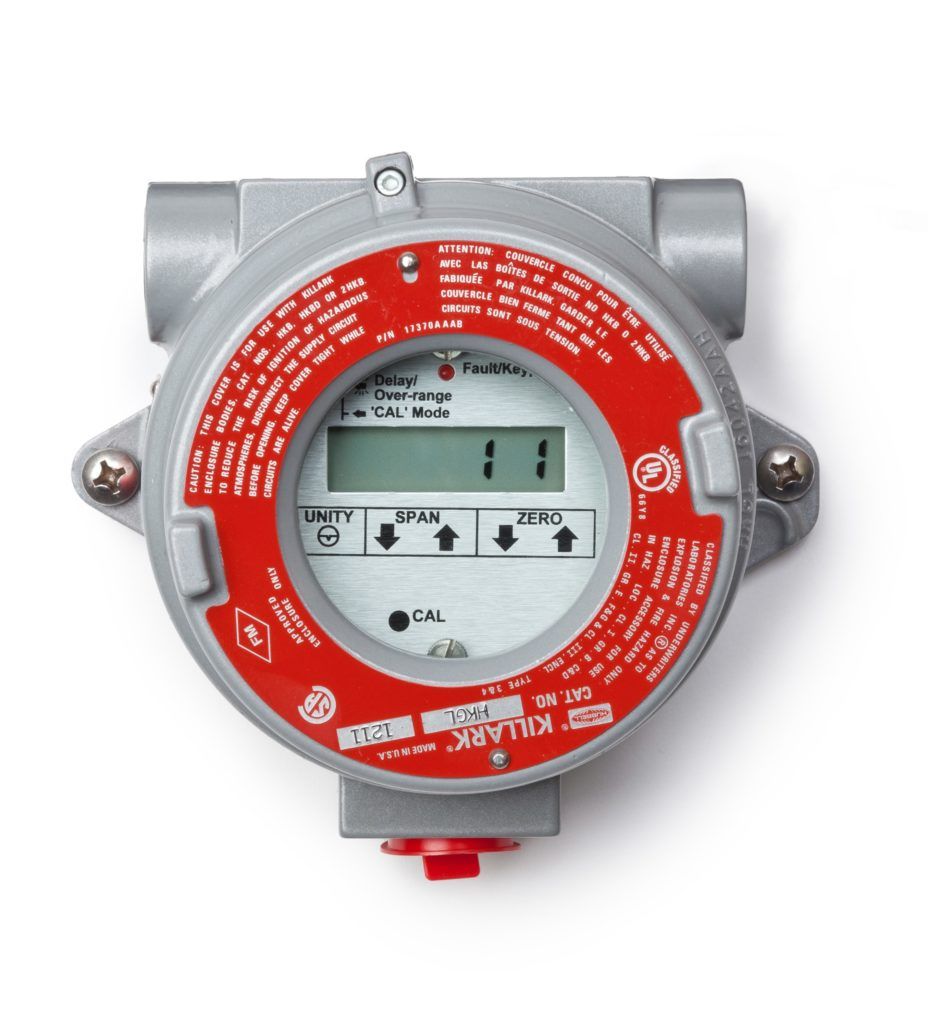
LEL Combustible Monitor, 0-100%
The presence of combustible gases makes paint booths a dangerous environment prone to fires and explosions. To mitigate the risk, special pipes are used to carry materials into and out of the environment. Instrumentation and temperature controls utilize explosion-proof components, which ensure that the instrumentation and controls create no spark.
While this reduces the risk of explosion, it does not reduce the danger these gases pose were they to leak into the closed environment of the paint booth. An LEL monitor alerts your staff if gases exceed the lower explosive limit. This gives staff enough time to shut off control valves and exit the paint booth environment, safeguarding their health and reducing the risk of explosion.
Not only are these monitors a good idea for employee health and safety, they may be required by law. According to OSHA, the Occupational Safety & Health Administration, a compliance safety and health officer can use a combustible gas monitor during inspections to ensure that the work environment does not pose a threat.
PureAire offers a range of O2 monitoring systems for Nitrogen, Argon, CO2, and helium. Also, they offer LEL monitors that can be used to monitor the levels of hydrogen, natural gas , acetylene, and other combustible gases in the environment. Built to withstand regular use without the need for maintenance, our combustible gas detectors come with a 4+ sensor and two alarm relays.
PureAire has over 15 years of experience developing the latest in LEL and oxygen monitors for a wide range of industrial uses. When you need a reliable and durable safety monitor, choose PureAire. Learn more about our combustible gas monitors for paint booths at our website or email us at info@pureaire.net.
Source
http://www.dwyer-inst.com/articles/?Action=View&ArticleID=38
http://www.asminternational.org/content/TSS/pics/safety/safety5.pdf
https://www.pureairemonitoring.com/category/all-categories/gas-monitors/
combustible monitor, Lel monitor, gas monitor, gas detector, paint booth monitor