
Oxygen Deficiency Monitor for in MRI Rooms: PureAire has 10+ Year Sensor

Oxygen Deficiency Monitor for in MRI Rooms: PureAire has 10+ Year Sensor

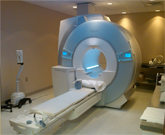
In the early 1980’s, there were 12 Magnetic Resonance Imaging (MRI) machines in use. Today, there are approximately 25,000 around the globe. One item in common is their use of Helium. Helium is most often associated with party balloons and funny voices, but 20% of the world supply of helium gas is used in MRI equipment. Liquid helium is extremely cold (-450° F), which is necessary to cool the magnets and get optimum performance.

One problem with using helium is it displaces oxygen. Without oxygen employees and lab technicians can get hurt or even die from asphyxiation. Look no further than the relatively recent death of a young party-goer who inhaled the gas to make her voice squeaky. A safety solution which gets paired with every MRI is a oxygen deficiency monitor. A oxygen monitor samples the air to ensure a safe environment. Below is a Air Products statement:

Helium is a nontoxic, odorless, colorless, nonflammable gas stored in cylinders at high pressure. It can cause rapid suffocation when concentrations are sufficient to reduce oxygen levels below 19.5%. It is lighter than air and may collect in high points or along ceilings. Self-Contained Breathing Apparatus (SCBA) may be required by rescue workers

Related Posts

Combustible Gas Detectors Explained: LEL Gas Detection, Safety Risks, and Code Compliance

Combustible Gas Detectors Explained: LEL Gas Detection, Safety Risks, and Code Compliance

Why Combustible Gas Detectors Are Necessary PureAire Combustible Gas Detectors are indispensable safety devices that continuously monitor and detect flammable and explosive gases before they reach dangerous levels. These detectors provide early warning of gas leaks or accumulations that could otherwise go unnoticed until a fire or explosion occurs. Many combustible gases, such as methane, […]
U.S. Liquid Nitrogen and Semiconductor Gas Markets Highlight Growing Need for Oxygen Deficiency Monitors

U.S. Liquid Nitrogen and Semiconductor Gas Markets Highlight Growing Need for Oxygen Deficiency Monitors

The Expanding Liquid Nitrogen Market and Its Role in High-Tech Manufacturing The U.S. liquid nitrogen (LN₂) market has become a cornerstone of modern industry—powering semiconductor fabrication, biotechnology, healthcare, food processing, and energy. Market leaders including Air Products & Chemicals, Linde plc, Air Liquide, and Messer Group continue to invest in air-separation capacity, logistics, and service […]
Gas Detection in Pharmaceutical Manufacturing:  Protecting Peptide and Oligonucleotide Facilities

Gas Detection in Pharmaceutical Manufacturing: Protecting Peptide and Oligonucleotide Facilities

Protecting Safety in Advanced Pharmaceutical Environments The production of peptides and oligonucleotides involves handling large volumes of solvent, working with cryogenic gases, and operating in cleanroom environments. These conditions make gas detection systems—including oxygen monitors, combustible gas detectors, and gas leak detectors—critical for protecting workers, maintaining compliance, and ensuring uninterrupted production. Learn more about peptide […]
Industries That Rely on the MPS LEL Combustible Gas Detector

Industries That Rely on the MPS LEL Combustible Gas Detector

In industrial environments where flammable gases are present, safety and uptime go hand in hand. That’s why facilities across critical sectors rely on the MPS LEL Combustible Gas Detector from PureAire Monitoring Systems—a reliable, maintenance-free solution for detecting a wide range of explosive gases in hazardous areas. Using advanced Molecular Property Spectrometer™ (MPS™) technology, this […]