

Carbon Dioxide and O2 Monitors Can Help Save Lives in Grain Elevators, Breweries, and Restaurants
- By : PureAire Monitoring Systems
- Posted on : November 12, 2015
- News Room
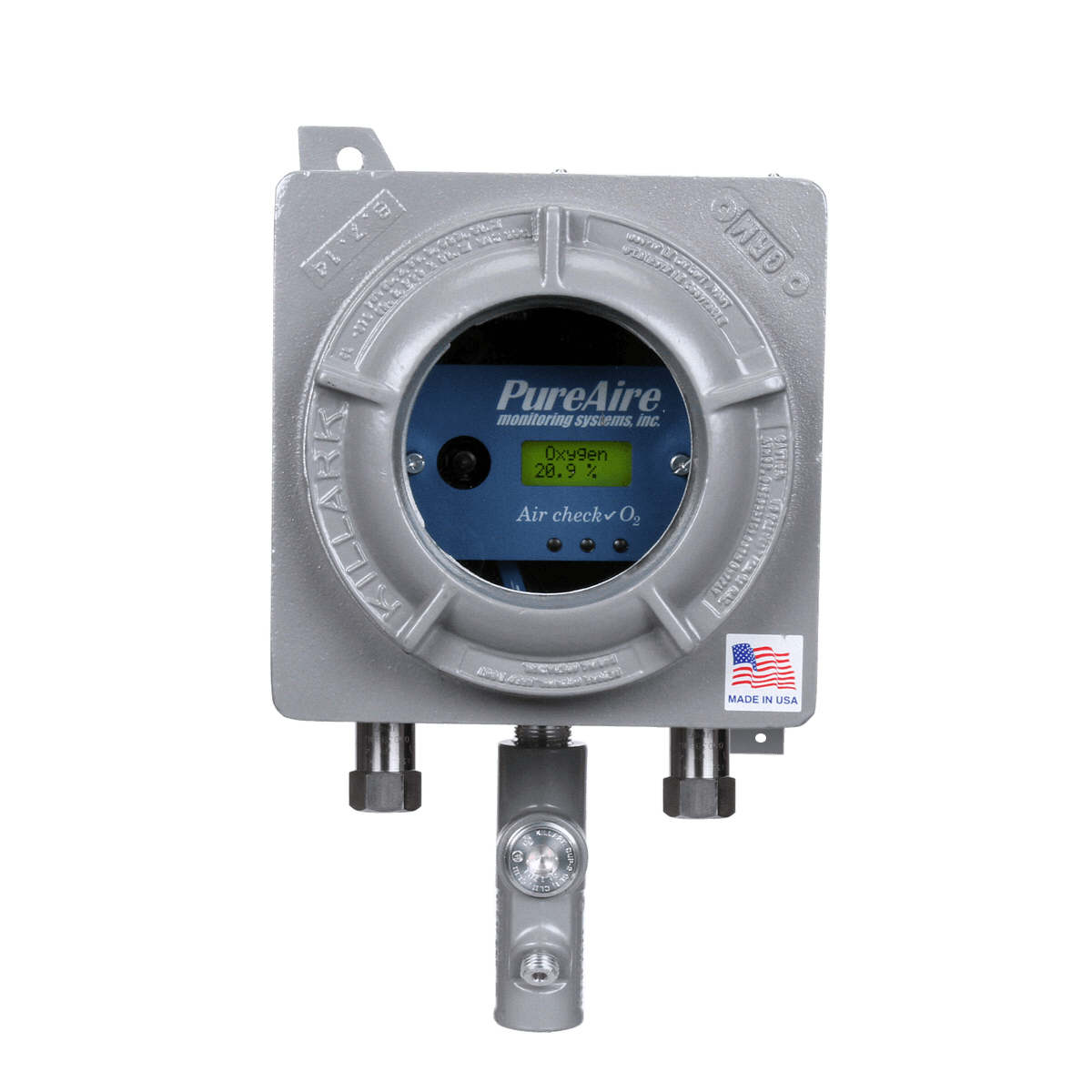
Why a CO2 Monitor May be Needed? Where Carbon Dioxide leaks Occur
Do you work with carbon dioxide (or CO2) in your industry? If so, then you may need a carbon dioxide monitor to check for gas leaks that could pose a hazard to your workplace safety. Learn common scenarios where carbon dioxide can leak and see how a CO2 detector can minimize your risk.
Industries Where CO2 Monitors Can Make a Difference
There are many industries that utilize carbon dioxide gas, and we believe that all of these could benefit from the presence of a carbon dioxide monitor. Industries where a CO2 detector can make a difference include:
- Restaurant/fast food – Does your restaurant or fast food chain have a soda machine? If so, then you rely on carbon dioxide gas to pass through water, mix with flavored syrup, and create carbonated soda. When everything works properly, you can easily serve sodas. When the carbon dioxide line develops a leak and CO2 gas enters the premesis or gets into the sodas, you can sicken employees and customers. In a worst case scenario, you could be liable for the death of customers due to CO2 exposure.
- Convenience stores and gas stations – Convenience stores and gas stations using soda machines can benefit from a CO2 detector for the same reason as restaurants and fast food chains.
- Craft brewing – CO2 gas in a natural byproduct of the brewing process, creating fizz as yeast eats natural sugars. The CO2 is usually contained within the fermentation tank; however, the carbon dioxide could escape through the tank’s airlock and valves. CO2 is heavier than air, so it can rest on the brewery floor where staff breathe it in. A CO2 gas detector can alert brewery staff to escaped gas, preventing a workplace catastrophe.
- Agriculture – Since grain gives off carbon dioxide gas in the silo environment, grain elevators have a need for CO2 detectors for worker safety and quality control. Even low levels of carbon dioxide can indicate grain spoilage. Early detection can not only protect the crop but safeguard worker health.
- Firefighters – Firefighters knowingly face danger to keep society safe from devastating fires, but they also face dangerous CO2 gases. Certain types of spray foam insulation that contain Icynene foam produce carbon dioxide gas in a fire. Firefighters also stock carbon dioxide canisters for use in firefighting, as the gas can be used to put out fires since it reduces environmental oxygen. If CO2 canisters develop leaks, or crews enter an environment that contains Icynene foam, firefighters risk breathing in dangerous fumes. A CO2detector can help crews monitor their risk on the job.
How CO2 Gas Monitors Can Help
If staff could see or smell carbon dioxide, they would be able to protect themselves and your customers. Unfortunately, this gas is odorless and colorless – a silent killer. There is no way for staff to tell whether systems are working properly or whether CO2 gas is leaking into the work environment. A carbon dioxide detector is a quick and easy way to tell when something has gone wrong.
When a leak occurs, it will disrupt the levels of oxygen in the air, ultimately creating an oxygen deficient environment. When there is not enough oxygen in a room, employees will begin to experience respiratory problems. The risk of death increases the longer staff remain in an oxygen deficient room.
A carbon dioxide monitor will detect levels of oxygen in the air round the clock, so no one needs to set it after the initial installation. When everything is functioning well, the alarm remains silent yet alert. The CO2 gas monitor will sound an alarm when levels of oxygen in the room reach the lower limit of the safe zone. Employees will hear and see the alarm, and can safely evacuate the space for their own health.
CO2 gas monitors from PureAire are equipped with zirconium sensors, which can last for 10 years without maintenance. Our products are reliable, well-constructed, and built to last in high-traffic retail and industrial environments. When safety matters, choose the best in oxygen monitoring equipment. Choose PureAire. Learn more about our products and our mission at www.pureairemonitoring.com.