Universal Fixed Gas Detector with Remote Sensor

Item : 99031 | In stock

Product Summary

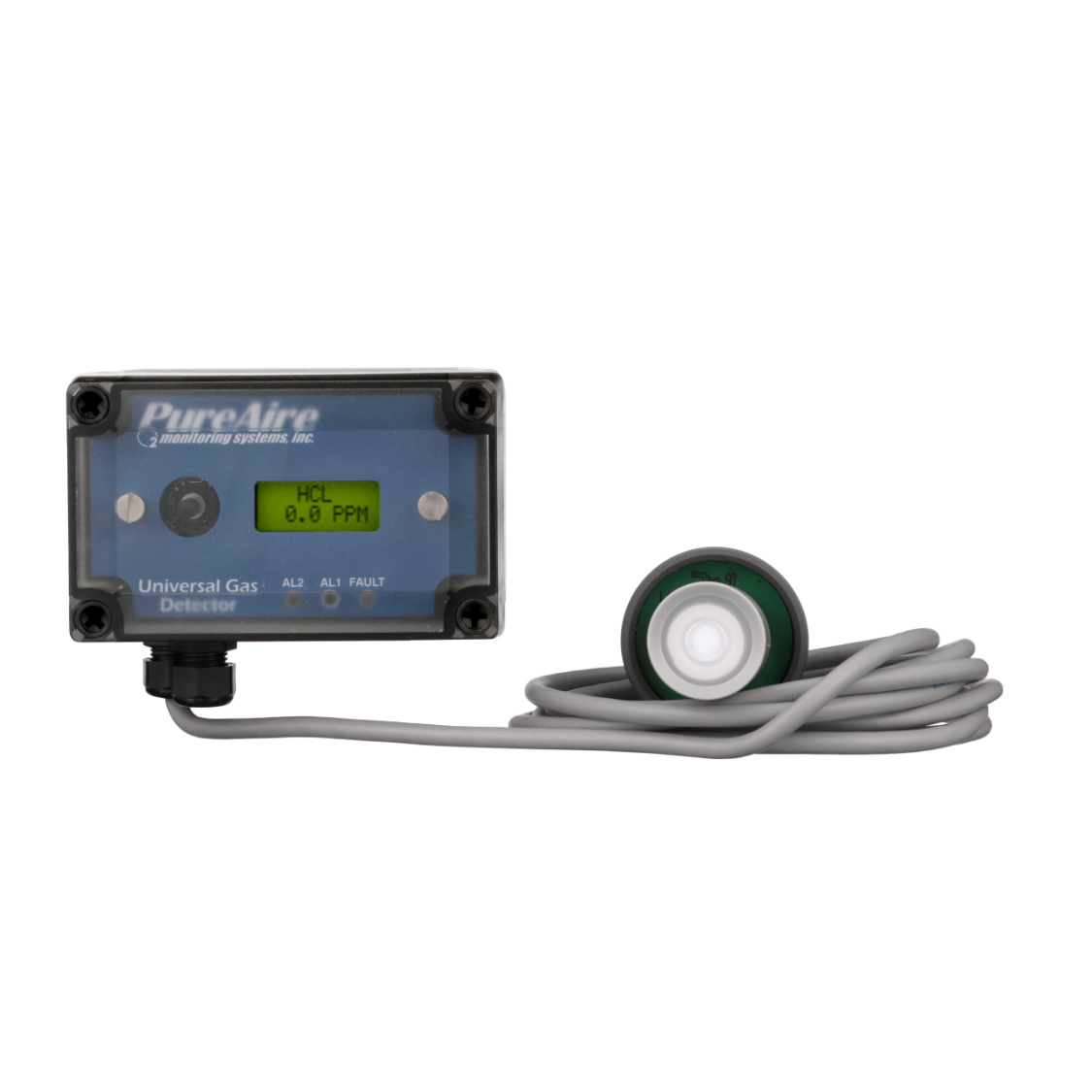
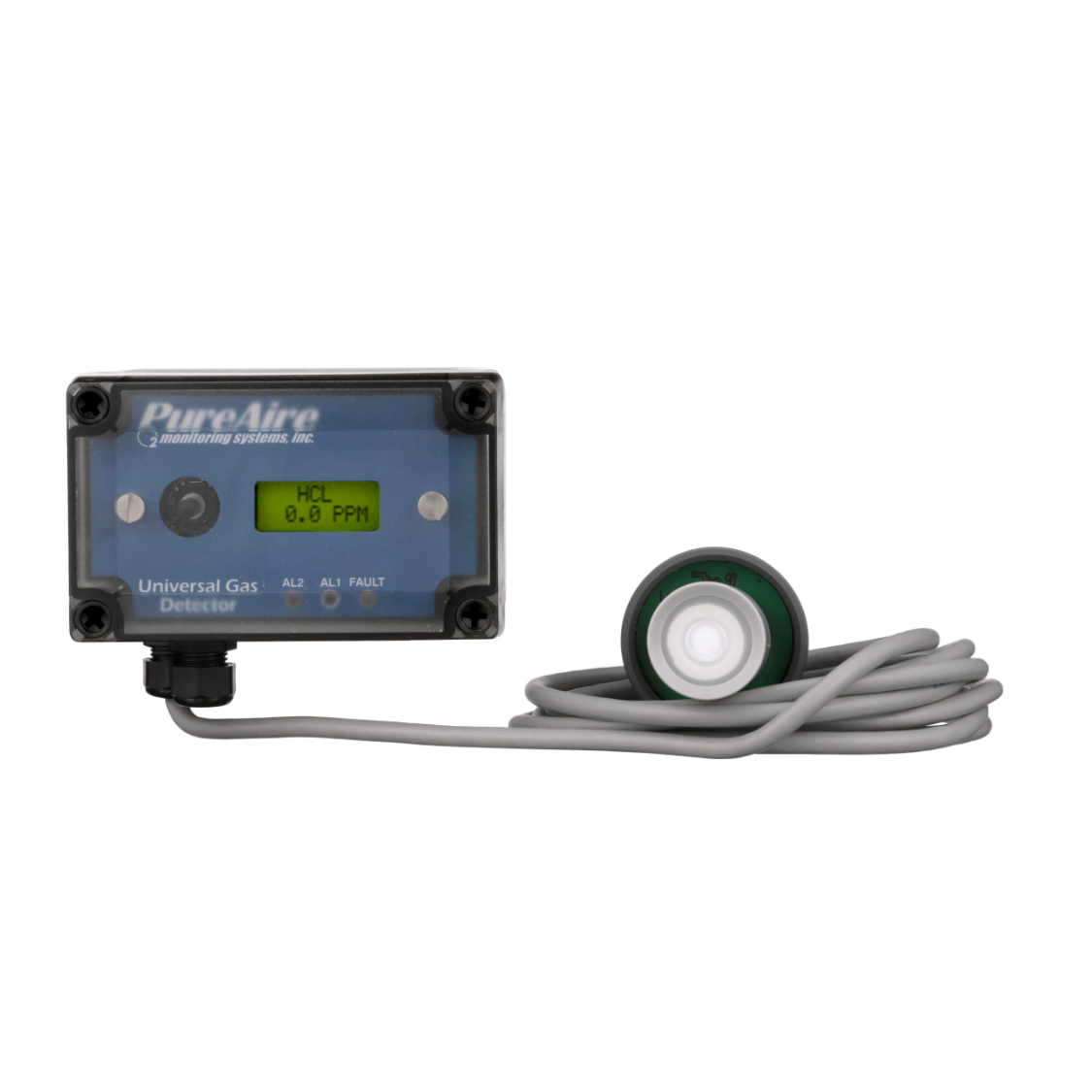
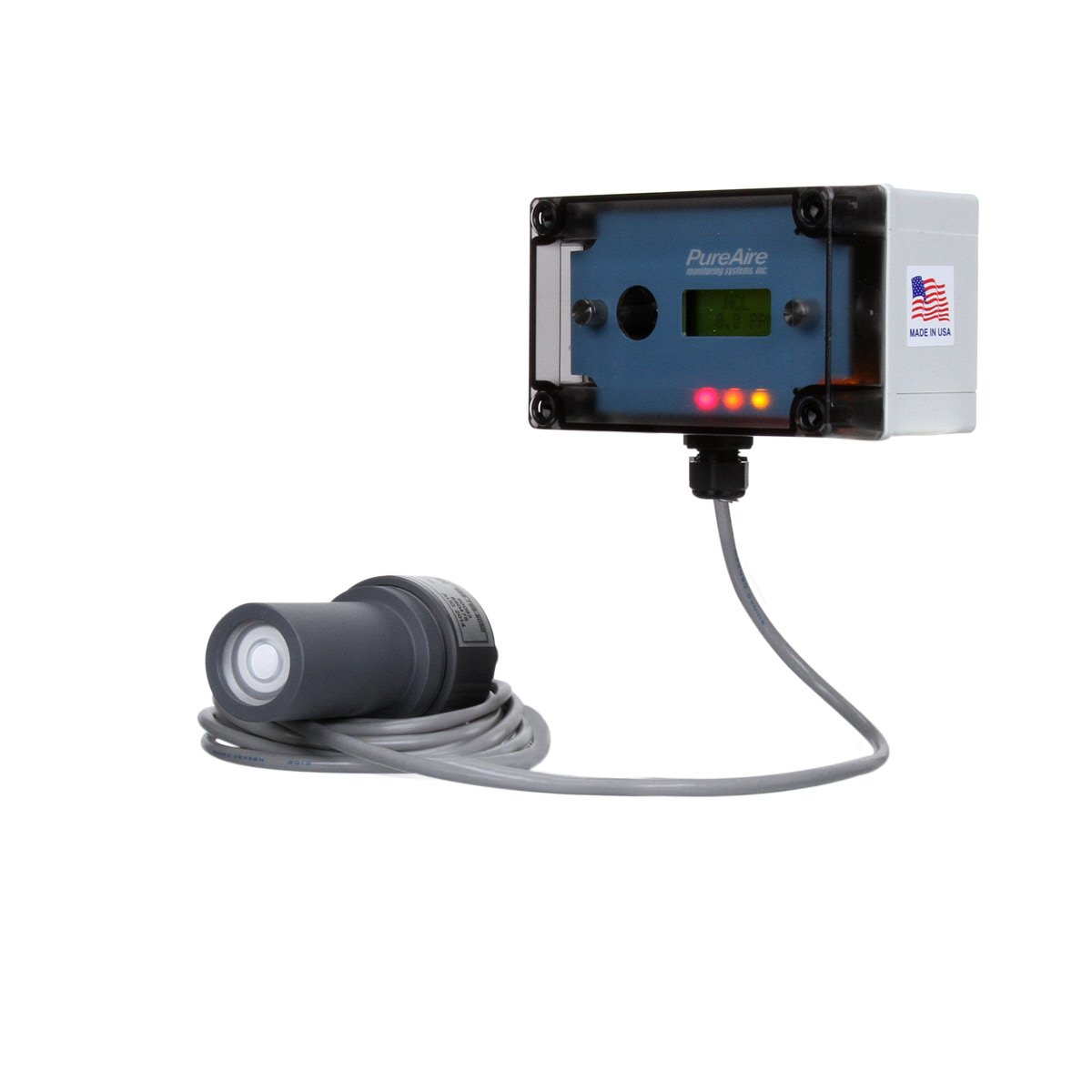
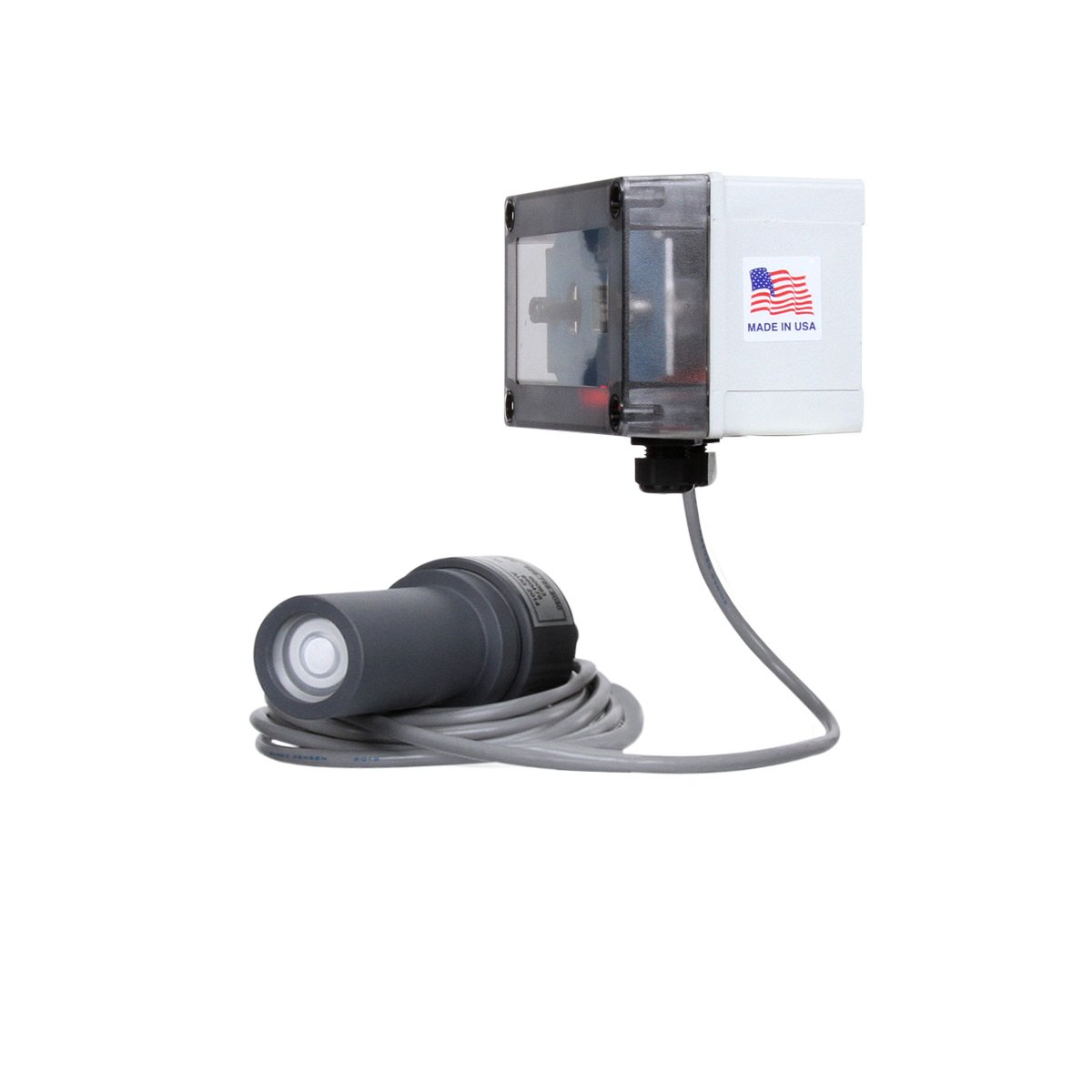
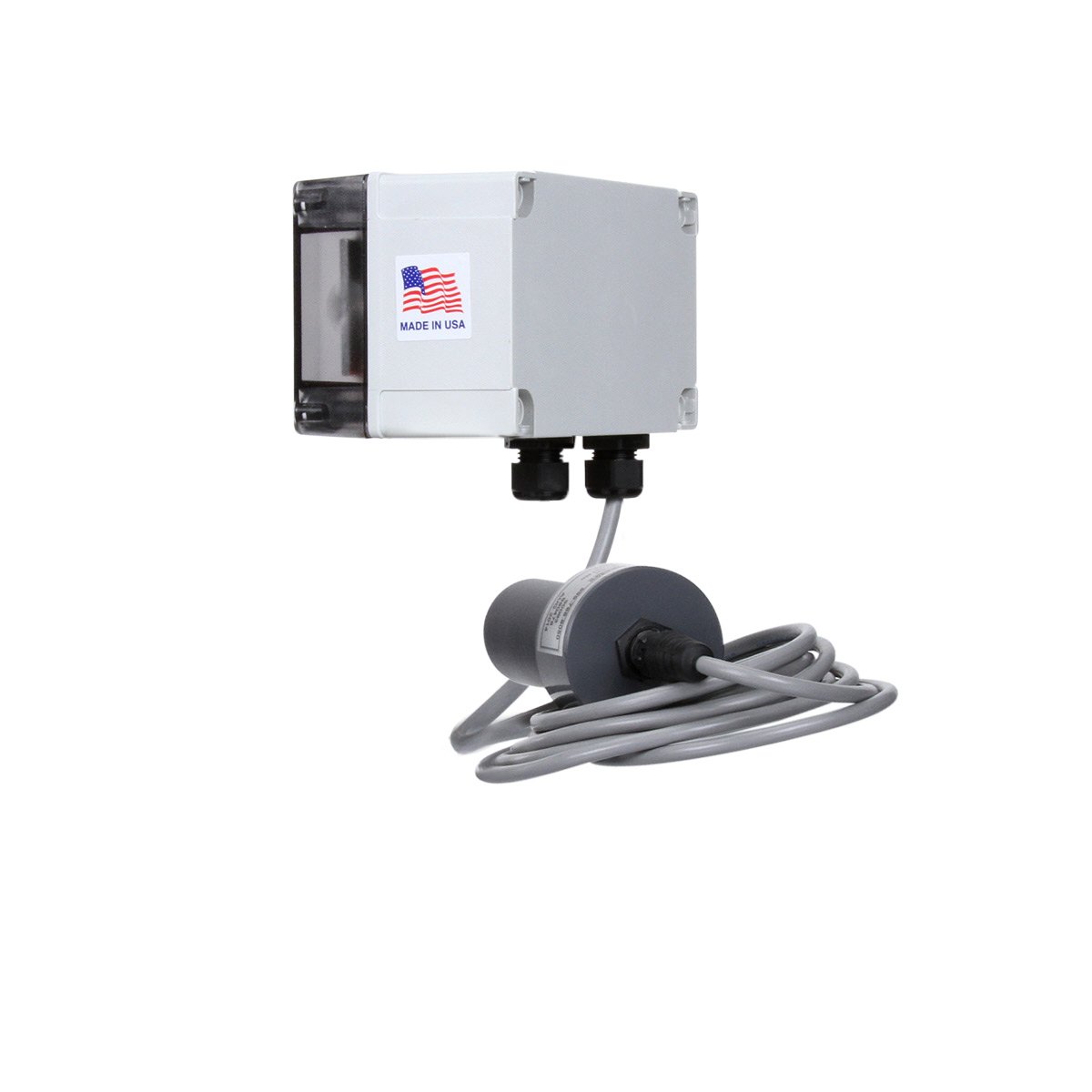
The PureAire Universal Gas Detector is ideal for facilities requiring continuous monitoring of toxic and corrosive gases. The transmitter is designed to be connected to a dedicated, renewable gas sensor which is programmed to a specific type of gas in parts-per-million (ppm). The remote cable allows for gas monitoring 10, 20, or up to 30 feet from the transmitter. This gas detector is well suited for environments such as laboratories, hospitals, food refrigeration, pharmaceutical manufacturers, and, for any industry applications where toxic, corrosive gases including, but not limited to, ammonia, HF, hydrogen, HCL, bromine, chlorine, sulfur dioxide are used. PureAire’s renewable, long-life sensors will last up to 8 years in a normal environment and can easily be recharged with electrolyte on the user’s own site.

To purchase, please contact a PureAire representative – (847)726-6000

  • Transmitter connects to any PureAire toxic or corrosive gas sensor
  • The remote cable allows for gas monitoring 10, 20, or up to 30 feet from the transmitter
  • Plug & Play sensor sets the transmitter gas & measurement range
  • Dual-level user-adjustable alarm relays
  • 4-20mA analog output
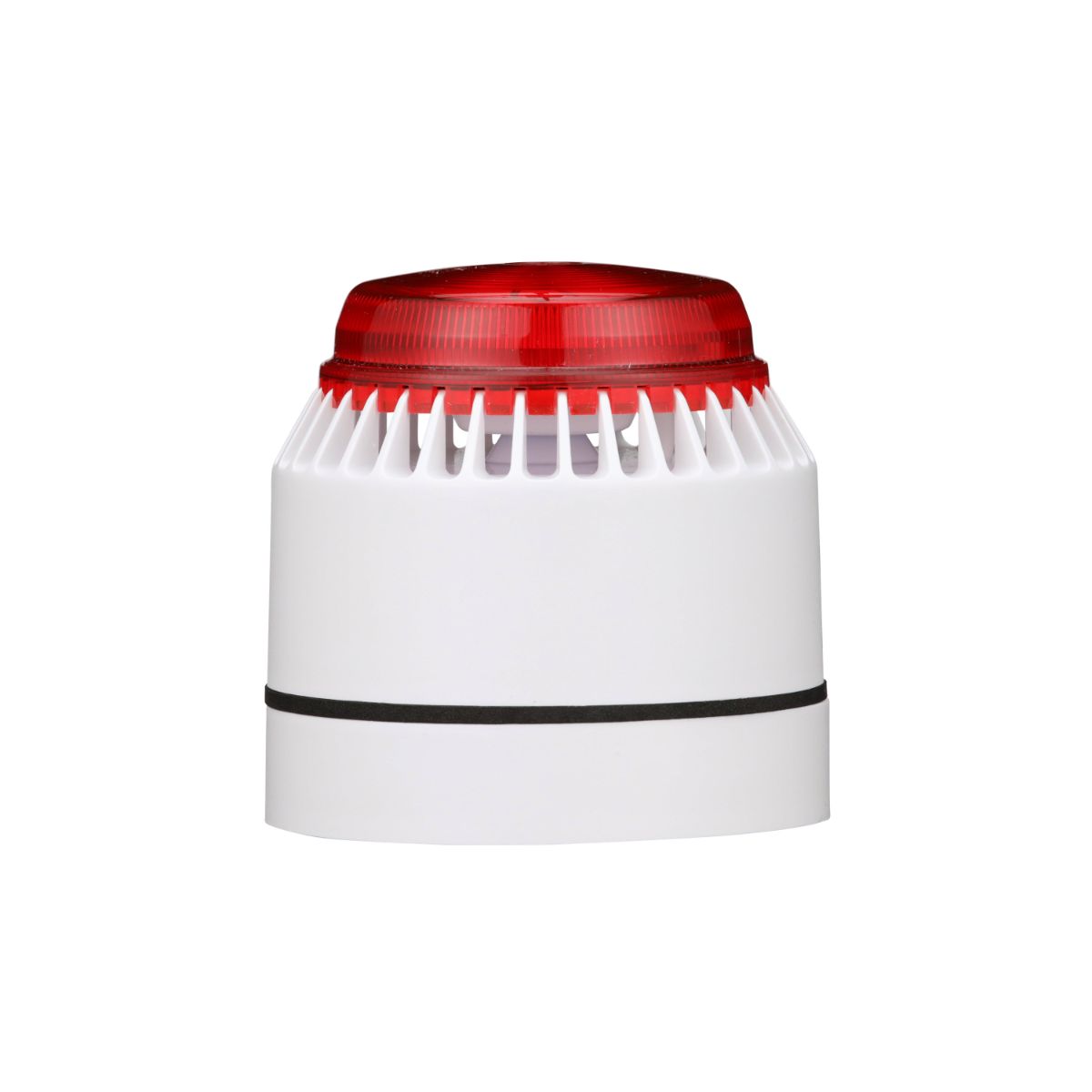
  • Built-in horn & visual alarm LEDs
  • Electronics continuously check sensor & systems status
  • Low-cost, long-life renewable sensor
  • Quick, easy sensor calibration
  • Connects to PLC or SCADA controller
  • UL, CUL, and CE Approvals
  • 24V DC Power supply included
  • Available without a built-in horn – 99090. Please contact PureAire for ordering information, 847-726-6000

The PureAire Universal Gas Detector is a compact gas monitor that’s ideal for protecting workers from toxic and corrosive gas exposures in the workplace. It consists of a generic transmitter/controller connected to a dedicated, renewable gas sensor that automatically inputs the gas and measurement range. Designed as a stand-alone monitor, the Universal Gas Detector can also be connected to any programmable logic controller or SCADA system.

The heart of the system is a smart renewable sensor cell that’s programmed with the specific gas and measurement range information. Simply plug the sensor into any Universal Gas Detector transmitter and it’s ready to go. When servicing the sensors, they can be recharged with fresh electrolyte and dynamically gas calibrated in the maintenance shop away from the transmitter.


Sampling Method Diffusion. (Optional: sensor can be remote up to 30 feet from the transmitter)
Available Gases ammonia, bromine, chlorine, fluorine, hydrogen bromide, hydrogen chloride, hydrogen cyanide, hydrogen fluoride, hydrides, hydrazine, nitrogen dioxide, phosphine, and sulfur dioxide. Other gases available; consult PureAire.
Accuracy ± 10% of full scale
Operating Temperature -25 to +122F (-32 to +50C)
Sensor Type Renewable electrochemical self-checking sensor with built-in microprocessor
Sensor Life 3 to 8 years under normal conditions
Gas concentration indicator Built-in LCD digital display, (backlit) Displays: Gas Name & ppm concentration, AL1, AL 2, System Fault messages.
Signal Outputs 4-20 mA analog output, Dual Level Alarm Relay Contacts
Power Requirements 24 VDC, .25 amp Regulated power supply required
Dimensions 4.01(W) x 5.12 (H) x 3.20 (D) inches; (101.8 x 130.0 x 81.2 mm)
Weight 1.2 lbs. (.5 kg)
Enclosure Polycarbonate UL-listed general-purpose
Country of Origin USA
Harmonized Tariff Code 8531.10.0045

Low Annual Operation Cost

The Universal Fixed Gas Detector has the lowest annual maintenance costs of any gas monitoring system on the market. PureAire Renewable sensors are easily recharged with electrolyte right in the field at approximately 20% of the cost of disposable sensor cell-type systems. Routine maintenance materials are $70 per year and when compared to the high cost of disposable sensors, can save you hundreds of dollars in annual service!

Stand-Alone Monitoring

The Universal Gas Detector is designed to operate totally stand-alone. Just mount it to the wall near the risk site, plug it into any 115VAC 60 Hz outlet or 220VAC 50 Hz outlet using the included power supply cord, and the Monitor will begin measuring gas levels after a brief warmup period. The built-in horn and LED alarm indicators quickly alert personnel to hazardous conditions. It also has individual alarm and fault relays for connecting remote alarms or control and the analog 4-20mA output provides continuous data to remote PLC and SCADA systems.

Continually supervised electronics

The Universal Gas Detectors’ “smart” circuitry is continuously supervised 24-7 and should a system error occur, the detector’s analog output and fault relay immediately alert control room personnel to the problem. A dedicated microcontroller built directly into the sensor allows you to remove from it the transmitter for all routine calibration and maintenance. Calibration data is directly entered into the sensor electronics and then transferred to the transmitter once it’s plugged in.


Universal Gas Detector Literature

Universal Gas Detector Manual

Comparison PMS vs Disposable 1 pt

Gases Detected with PureAire Monitors


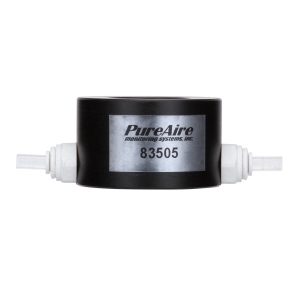
Cal Cap

Calcap

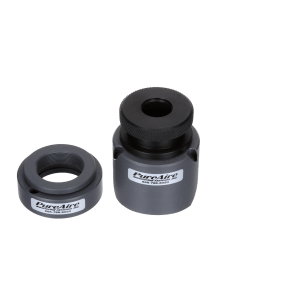
Bulk Head Mount

BULKHEADSAMPLEMOUNT_02_01

Horn & Strobe

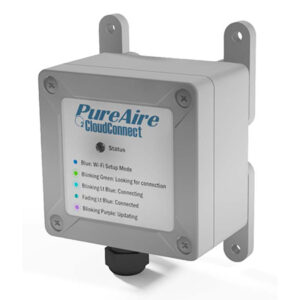
CloudConnect

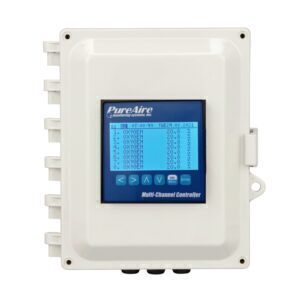
8-Channel Touch Screen Controller 

Flexible Remote Monitoring

Place sensing up to 10, 20, or 30 feet from the transmitter for better coverage in tight or hard-to-reach areas.

Targeted Gas Detection

Configured for specific toxic/corrosive gas monitoring in critical areas.

Easy System Integration

Designed to fit common facility monitoring and alarm workflows.

Continuous Hazard Awareness

Provides 24/7 monitoring where toxic/corrosive gas exposure is a concern.

A toxic gas detector continuously monitors the air for harmful gases, including carbon monoxide, chlorine, ammonia, and hydrogen sulfide. It warns personnel before levels reach dangerous concentrations. Toxic gas detectors protect workers from low-level poisonous gases (in the ppm range) that can cause immediate or long-term health effects.

The most common include:
• Carbon monoxide (CO) – parking garages, boiler rooms
• Hydrogen sulfide (H₂S) – oil & gas, wastewater treatment
• Chlorine (Cl₂) – water treatment, chemical plants
• Ammonia (NH₃) – refrigeration, food processing
• Nitrogen dioxide (NO₂) – vehicle maintenance facilities
• Sulfur dioxide (SO₂) – power plants, refineries
• Ozone (O₃) – semiconductor, pharmaceutical industries
• Refrigerant gases (classified as A1, A2L, B2L, A3) – HVAC systems, supermarkets, cold storage, data centers

• Electrochemical sensors: Accurate, low-level detection; best for most toxic gases (CO, H₂S, Cl₂, NH₃).
• PID (Photoionization Detectors): Detects volatile organic compounds (VOCs) and low-level hydrocarbons.
• NDIR (Non-Dispersive Infrared): Used more often for CO₂ or gases that absorb infrared light. NDIR sensor cells are highly effective for detecting refrigerant gases across classifications A1, A2L, B2L, and A3.

• CO: 0–100 ppm, 0–1,000 ppm
• H₂S: 0–30 ppm, 0–200 ppm
• Cl₂: 0–1 ppm, 0–3 ppm, 0–10 ppm, 0–50 ppm, 0–200 ppm
• NH₃: 0–75 ppm, 0–100 ppm, 0–200 ppm, 0–300 ppm, 0–1,000 ppm
• NO₂: 0–2 ppm, 0–9 ppm, 0–15 ppm, 0–20 ppm
• SO₂: 0–15 ppm, 0–20 ppm
• O₃: 0–0.3 ppm, 0–1 ppm, 0–3 ppm, 0–300 ppm
• Refrigerant gases (A1, A2L, B2L, A3 classifications): 0–500 ppm, 0–1,000 ppm, 0–5,000 ppm

• Oil & gas: H₂S monitoring in drilling and refining
• Water/wastewater treatment: Chlorine and H₂S detection
• Food & beverage: Ammonia refrigeration monitoring
• Laboratories & pharma: VOC and toxic gas detection
• Manufacturing & automotive: CO and NO₂ monitoring
• Power generation: SO₂ monitoring in flue gas areas
• HVAC, supermarkets, cold storage & data centers: Refrigerant leak monitoring (A1, A2L, B2L, A3 gas classifications)

Consider:
• The specific gas hazards in your facility
• Sensor type (electrochemical, PID, NDIR, etc.) based on gas and concentration range
• Installation environment (indoor, outdoor, temperature/humidity conditions)
• Compliance needs (OSHA, IFC, local codes)
• Integration with alarms, PLCs, or cloud monitoring systems like PureAire’s CloudConnect

• Electrochemical sensors: Every 6–12 months
• PID sensors: Every 3–6 months
Always follow the manufacturer’s recommendation and perform bump tests for safety.

• LEL: Percentage of gas concentration at which ignition becomes possible. Combustible detectors typically measure 0–100% LEL.
• PPM (parts per million): A finer measurement, usually used for toxic gases rather than combustibles.

Yes, in most cases. Some gases, such as hydrogen sulfide (H₂S), carbon monoxide (CO), and ammonia (NH₃), pose toxic risks at very low concentrations (ppm levels) and combustible risks at higher concentrations (% LEL).
• A toxic gas detector is needed to protect worker health by alarming at ppm exposure limits set by OSHA and other agencies.
• A combustible gas detector is needed to prevent explosions or fires when gas levels approach the Lower Explosive Limit (LEL).

Since the alarm thresholds and sensor technologies differ, a single detector usually cannot provide both types of protection. Many facilities use both toxic and combustible gas detectors for full coverage, often integrated into a single safety system.  This system can activate building ventilation and advanced warning systems when gas levels reach dangerous concentrations.

If a gas is toxic at low ppm and combustible at higher % LEL, you may need dual detection — one detector set for ppm exposure, another for explosion hazard. Sensor selection depends on whether the primary risk is worker health, explosion, or both.