

Are You Using Argon in Your 3D Printers: Why PureAire May be a Good Partner
- By : PureAire Monitoring Systems
- Posted on : June 22, 2016
- News Room
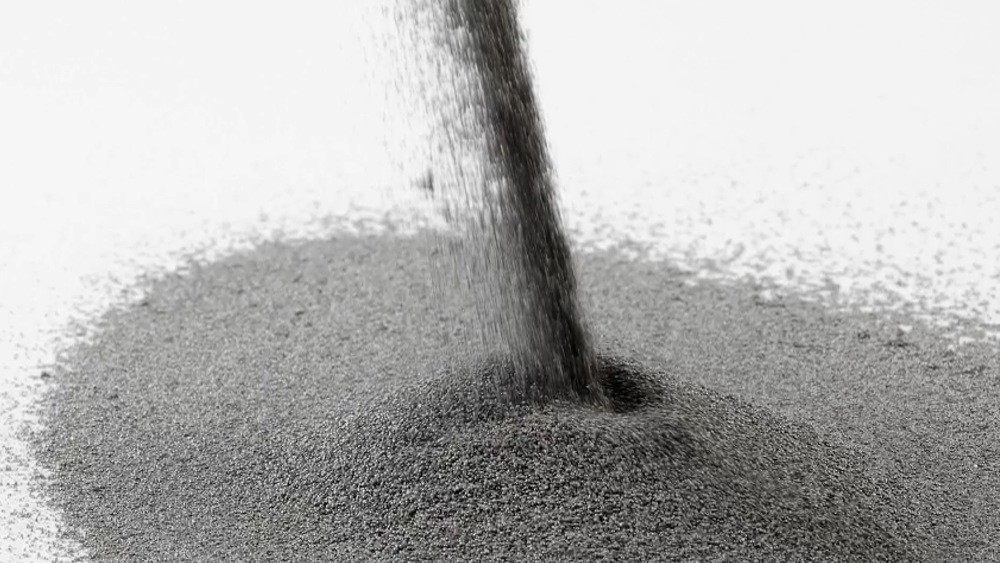
Thanks to new technologies, the 3D printers that have been used to create plastic three-dimensional objects can now print metal. Titanium 3D printing is possible thanks to a technique called DMLS, or Direct Metal Laser Sintering. While the potential to use titanium 3D printing is groundbreaking for many industries, the new advances could pose a health hazard if volatile gases used in the printing process are not contained. Learn more about the role of argon in 3D printing and how an oxygen analyzer can safeguard your employing while printing.
What Happens in Direct Metal Laser Sintering?
3D printing of plastics uses an additive process in which objects are constructed layer by layer or fused together cross section by cross section. These basic techniques need rethinking for titanium 3D printing. With Direct Metal Laser Sintering, a laser follows a computer-aided design (CAD) file to melt titanium powder, rendering the object. The process is similar to sculpture, in which pieces of the raw material are carved away to create or reveal a three-dimensional object or figure.
Because titanium is such a strong metal, the resulting objects are highly durable. For something like medical devices or three-dimensional replacement joints or bones, this means that individuals can get greater use out of the replacement part. Aviation professionals greet these new developments, estimating that titanium parts can cut the weight of an airplane by as much as 1,000 pounds, saving fuel on every flight.
Since the titanium powder (Or other metal powders) used in this additive manufacturing process is created from manufacturing remnants, the materials are highly cost-effective.
What are the Risks of 3D Printing?
The 3D printer operates in an inert environment, where argon prevents any unwanted chemical reactions from taking place and maintains the purity of components. The inert environment in the 3D printing machine keeps the oxygen content low, to reduce oxidization in the manufactured part. It also reduces the fire hazard by rendering combustible dust inert. Since thermal stress is controlled and titanium powder clumping is reduced, the argon improves the consistency of the final product and reduces deformities.
While there are many benefits to using argon in the printing process, and argon is harmless when contained, it does pose a health risk should the argon escape the additive manufacturing environment.
Argon is known as an oxygen displacer. This means that when argon gas leaks into the air, it physically displaces the levels of oxygen in the air. In extreme cases, staff can asphyxiate due to the lack of oxygen in the environment.
This gas is colorless, tasteless, and odorless. Were argon to leak out of the 3D printer, staff would be unable to see or smell it. As soon as oxygen begins to deplete from the room, it cause symptoms including dizziness, shortness of breath, and confusion. Even if staff suspect that something is wrong, they may be unable to escape from the area before it is too late.
When you have a poorly ventilated manufacturing space with several 3D printers going at once, the potential for oxygen displacement by argon gas increases.
How Can an O2 Analyzer Reduce Risks?
An O2 Analyzer helps keep levels inside the 3D printing environment low, to ensure the printer works optimally. Without the analyzer, there would be no way to ensure that the ppm concentration of oxygen remained at a steady state for the duration of the printing process. The oxygen analyzer checks levels of oxygen ranging from 0 to 1,000 parts per million (ppm). 3D printers using the DMLS process need to keep the oxygen under 1% or less for product manufacturing. A 0 to 25% oxygen range detector is also available. The oxygen analyzer can make sure that the air inside the chamber meets the low levels needed. Meanwhile the air outside is safe for staff to breath. PureAire’s oxygen analyzers are easy to install and easy to use. Once set up, they require no maintenance and will work as promised for a set period of time.
At PureAire, we have just developed a new oxygen analyzer that works with 3D printers. To learn more about our new oxygen analyzer, please visit www.pureairemonitoring.com or send an email to info@pureaire.net.
Source
http://nj.gov/health/eoh/rtkweb/documents/fs/0151.pdf