

Olympic Training: Use of Cryotherapy and Hypoxic High Altitude Training
- By : PureAire Monitoring Systems
- Posted on : August 30, 2016
- Uncategorized
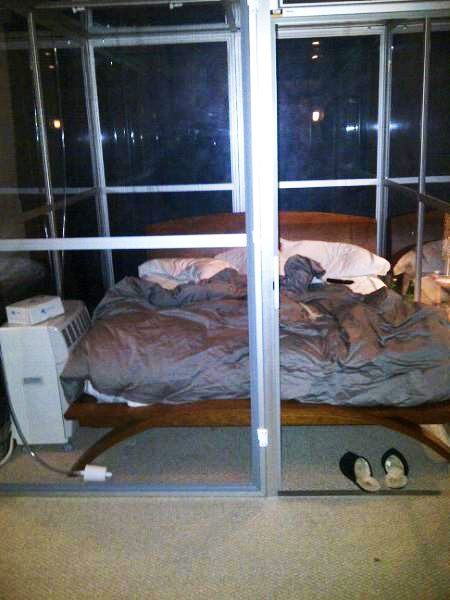
Olympic athletes have been known to try some pretty strange things to enhance their performance. Major Olympic swimming star Michael Phelps has been relying on a special device for the last year, a high-altitude sleep chamber that retails for $15,000. While therapies like high-altitude training and cryotherapy can be beneficial, they do have risks. Learn why you need an oxygen monitor for cryotherapy and high-altitude training chambers.
How High Altitude Training Benefits Athletes
A high-altitude chamber mimics the conditions of high altitude. Phelps keeps the air inside his chamber at 8,500 to 9,000 feet. High altitude environments have less oxygen than low altitude environments. As a result, your body has to work harder to breathe. For Phelps, this means that he can train his body to perform better even while getting a good night’s sleep.
The high-altitude chamber Phelps used is made by Hypoxico. Their high altitude chambers can be adjusted to a maximum level of 12,500 feet. By sleeping in a low oxygen environment and living in an oxygen-rich environment, athletes can avoid the fatigue and dehydration associated with living in a high altitude environment. Since bodies produce more red blood cells at high altitude, the sleep chamber also promotes faster muscle recovery. This is essential for training.
Michael Phelps is far from the only athlete to try this type of sleep training. It’s popular among endurance runners, who rely on breathing capacity to fuel their runs. Dwayne Wade, Lebron James, and Santonio Holmes also use the high altitude training. Pro golfer Tiger Woods reportedly relies on high altitude training too.
How Cryotherapy Benefits Athletes
In addition to sleeping at high altitudes, many top tier athletes also turn to cryotherapy. Whole body cryotherapy exposes the body to extreme temperatures of -240 Fahrenheit for a set period of time. Athletes can stop the treatment at any time using safety measures. The dry chilled air elicits a response from the circulatory system. As a result of spending a few minutes in a cryohealth chamber, athletes decrease inflammation and lactic acid. They also initiate self healing through the nervous system.
The San Antonio Spurs, Los Angeles Clippers, Los Angeles Sparks, Minnesota Timberwolves, Toronto Raptors, and TCU Horned Frogs all rely on services from Cryohealthcare. Floyd Mayweather Jr., LeBron James, and Kobe Bryant also depend on cryotherapy for their competitive edge.
Why You Need an Oxygen Monitor with High Altitude and Cryotherapy
Both high altitude sleep chambers and cryotherapy put athletes at the risk of exposure to levels of oxygen that are too low. When the air does not have enough oxygen to breathe, athletes can suffer respiratory complications and may die from asphyxiation.
High altitude chambers need an oxygen deficiency monitor to measure the levels of oxygen in the sleep chamber. If the settings on the machine malfunction, too much oxygen could be removed from the air. With just a couple of breaths of oxygen-deficient air, someone can become unconscious. Within minutes, they could die.
Cryotherapy chambers rely on nitrogen gas to keep the air chilled to -240 Fahrenheit. Nitrogen gas is known to deplete oxygen from the air. As long as the chamber has enough oxygen, nitrogen can be used to chill the air without posing a health hazard. Yet if there is too much nitrogen, the air will become oxygen-deficient. Thus, anyone taking a dip in the cryohealth chamber could become a victim of death by asphyxiation.
To safeguard users, cryohealth chambers rely on an installed oxygen monitor to continually check levels of oxygen in the air. Likewise, the sleep chamber uses an O2 monitor to track oxygen levels during use. With an O2 monitor installed, users can enjoy their form of training without worry that it will harm their health.
Hypoxico relies on PureAire’s line of oxygen deficiency monitors as a safety feature in their high altitude sleep chambers. PureAire’s O2 monitor contains a zirconium sensor, which can function properly for up to 10 years. The monitor will provide instant notification if oxygen falls below safe levels, so that athletes can escape in time.
To learn more about the line of oxygen deficiency monitors from PureAire, please visit www.pureairemonitoring.com.
Sources:
http://www.techtimes.com/articles/61392/20150618/cryotherapy-works-why-star-athletes-love.htm