MPS Flammable Gas Monitor

Available Product Options. Please choose from the menu below | In stock

$3,040.00

Product Summary

PureAire MPS Flammable Gas Monitor, the industry’s most advanced solution for continuous flammable gas detection. Designed for industrial gas safety, this explosion-proof gas detector uses next-generation Molecular Property Spectrometry (MPS) technology to deliver TrueLEL™ accuracy across a wide range of combustible gases.

Unlike traditional gas sensors, the MPS sensor is immune to temperature and humidity fluctuations, making it ideal for confined spaces, hazardous locations, and process areas. It quickly and accurately detects, classifies, and quantifies multiple combustible gases, including hydrogen, methane, propane, butane, and more, with no false alarms and no cross-sensitivity.

Save time and reduce costs with a sensor built to last. The MPS sensor requires no routine calibration and operates maintenance-free for over a decade, providing a low cost of ownership and maximized uptime. This is the perfect choice for facilities seeking long-term gas monitoring solutions.

Housed in a rugged explosion-proof enclosure, the monitor meets rigorous ATEX and IECEx safety standards, making it suitable for oil & gas, chemical processing, semiconductor manufacturing, and hazardous industrial environments.

The MPS Flammable Gas Monitor is engineered for versatility and safety—it can be remotely mounted in hazardous environments at distances of up to 30 feet using customer-supplied cable. Please contact PureAire for more information at (847)726-6000.

LEL reading for multiple flammable gases with a single sensor

      • Hydrogen (H2)
      • Propane (C3H8)
      • Ethane (C2H6)
      • Isopropanol (C3H8O)
      • Methane (CH4)
      • Ethylene(C2H4)
      • Propylene (C3H6)
      • Isobutylene (C4H8)
      • Isobutane (HC((CH3)3)
      • Butane (C4H10)
      • Acetone (C3H6O)
      • Methyl Ethyl Ketone(MEK) (C4H8O)
      • Pentane (C5H12)
      • Heptane (C7H16)
      • Toluene (C7H8)
      • Styrene (C8H8)
      • Xylene (C8H10)
      • Octane (C8H18)
      • Hexane (C6H14)
      • Acetylene (C2H2)
  • Automatically classifies the type of gas
  • 15+ Year sensor – Zero calibration required
  • Mean Time To Failure (Sensor Only): 62 years at 60% confidence or 19 years at 99% confidence
  • RS-485 Communication Interface
  • Easy to use – Set it and forget it technology
  • Zero drift
  • Immune to poisoning
  • Operating temperatures: -4°F to +140°F (-20°C to +60°C)
  • Fail-safe – Built-in self-test
  • Back-lit LCD Display
  • 4-20mA output
  • User-adjustable dual alarm relays
  • Durable XP Housing: Certified for hazardous locations
  • Ratings: Class I & II, Division 1, Groups B, C, D, E, F, G. Class III Type 4X/IP66 | ATEX* – Ex d IIC | Ex d IIC IEC 60529 IP66 | IECEx* Ex db IIC T4 Gb | Tamb” -20°C to +60°C

The MPS Flammable Gas Monitor from PureAire accurately measures over 14 gases, including hydrogen, methane, propane, and butane. It is ideal for facilities requiring continuous combustible gas monitoring in hazardous areas. The monitor is best suited for locations such as oil and gas, semiconductors, research and development, pharmaceutical manufacturing, warehouses, laboratories, agriculture facilities, and other locations where flammable gases are present.
The operator interface is via a menu-driven magnetic keypad, allowing full access without opening the enclosure. The MPS Flammable Gas Monitor has an RS-485 interface for seamless data transmission with centralized systems or PureAire’s Multi-Channel Controllers.

The MPS Flammable Gas Monitor is engineered for versatility and safety—it can be remotely mounted in hazardous environments at distances of up to 30 feet using customer-supplied cable. Please contact PureAire at (847)726-6000 for more information on this option.


Gases Detected¹ Hydrogen (H2)
Propane (C3H8)
Ethane (C2H6)
Isopropanol (C3H8O)
Methane (CH4)
Ethylene(C2H4)
Propylene (C3H6)
Isobutylene (C4H8)
Isobutane (HC((CH3)3)
Butane (C4H10)
Acetone (C3H6O)
Methyl Ethyl Ketone(MEK) (C4H8O)
Pentane (C5H12)
Heptane (C7H16)
Toluene (C7H8)
Styrene (C8H8)
Xylene (C8H10)
Octane (C8H18)
Hexane (C6H14)
Accuracy Methane (CH4): ±3% LEL/ Hydrogen (H2): ±5% LEL/ Other  Gases: Varies (see specific gas accuracy in Section 1.3 in the product manual.
Operating Temperature -40 to 75 ºC
-40 to 167 ºF0 to 100% RH
Display Digital Display, which is accessed and managed via the included magnet wand
Sensor Type Molecular Property Spectrometry (MPS) Sensor 100% TrueLEL
Sensor Life  15+ years under Normal Conditions
Signal Outputs 4-20 mA analog output
Power Requirements 24 VDC
250 mA
Width 5.23 in
132.84 mm
Height 8.0 in
203.2 mm
Depth 6.4 in
162.56 mm
Weight 6.5 lbs
3 kg
Enclosure IP66-For use in Hazard locations as to Explosions & Fire Hazard ONLY
Country of Origin USA
Harmonized Tariff Code 8531.10.0045

1 See Section 1.3 of the Product Manual or Contact PureAire for more information

MPS sensors detect gases by measuring changes in the thermodynamic properties of the air/gas mixture, such as thermal conductivity and heat capacity. The sensor uses a micro-machined membrane with a Joule heater and a resistance thermometer to detect these changes. Advanced algorithms then calculate the gas concentration and classify the type of gas. MPS sensors automatically adjust for environmental factors in real time, do not require calibration throughout their lifespan, and are highly resistant to poisoning, making them more accurate and reliable over time.

Gases Detected

PureAire’s MPS LEL Flammable Gas Monitor accurately detects a wide range of gases with a single sensor, eliminating the need to purchase multiple gas sensors.

Gases detected by the MPS Flammable Gas Monitor include Hydrogen (H2), Propane (C3H8), Ethane (C2H6), Isopropanol (C3H8O), Methane (CH4), Ethylene(C2H4), Propylene (C3H6), Isobutylene (C4H8), Isobutane (HC((CH3)3), Butane (C4H10), Acetone (C3H6O), Methyl Ethyl Ketone(MEK) (C4H8O), Pentane (C5H12), Heptane (C7H16), Toluene (C7H8), Styrene (C8H8), Xylene (C8H10), Acetylene (C2H2), and Octane (C8H18).

Long Life Molecular Property Spectrometry (MPS) Sensor
The MPS Flammable Gas Monitor features a durable MPS sensor with over 15 years of continuous operation. Uniquely designed by NevadaNano, this sensor can accurately detect, quantify, and classify flammable gas levels in various environments, setting it apart from conventional gas sensors.

Smart Electronics
The monitor integrates a specialized electronic circuit to continuously oversee the sensor’s operation. This advanced circuitry can promptly identify any sensor degradation or failure, alerting the user to any sensor faults or electrical issues that might disrupt surveillance via the standard mA signal output.

Factory Calibration
The MPS Flammable Gas Monitor is factory-calibrated for its entire lifespan, eliminating the need for any field calibration. This feature enhances usability and convenience, as the sensor maintains its accuracy and reliability without requiring periodic recalibration.

Environmental Compensation
The device uses a state-of-the-art MPS sensor that compensates for environmental factors like changes in temperature, humidity, and pressure. This ensures that the sensor’s performance remains consistent and accurate under varying environmental conditions.

PureAire’s MPS Flammable Gas Monitor is designed with an array of innovative features that facilitate ease of use and efficient operation. These unique characteristics have been thoughtfully incorporated to streamline the installation process, optimize daily functionality, and minimize maintenance needs. By fusing cutting-edge technology with user-centric design, the monitor delivers reliable performance while ensuring a simplified user experience.

MPS Flammable Gas Monitor Product Literature

MPS Flammable Gas Monitor Product Manual

PureAire MPS™ Flammable Gas Monitor Performance Comparison

Measuring Flammable Gas Mixtures with the PureAire MPS™ Flammable Gas Monitor

Detected Gases & Displayed Classes

Gases Detected with PureAire Monitors

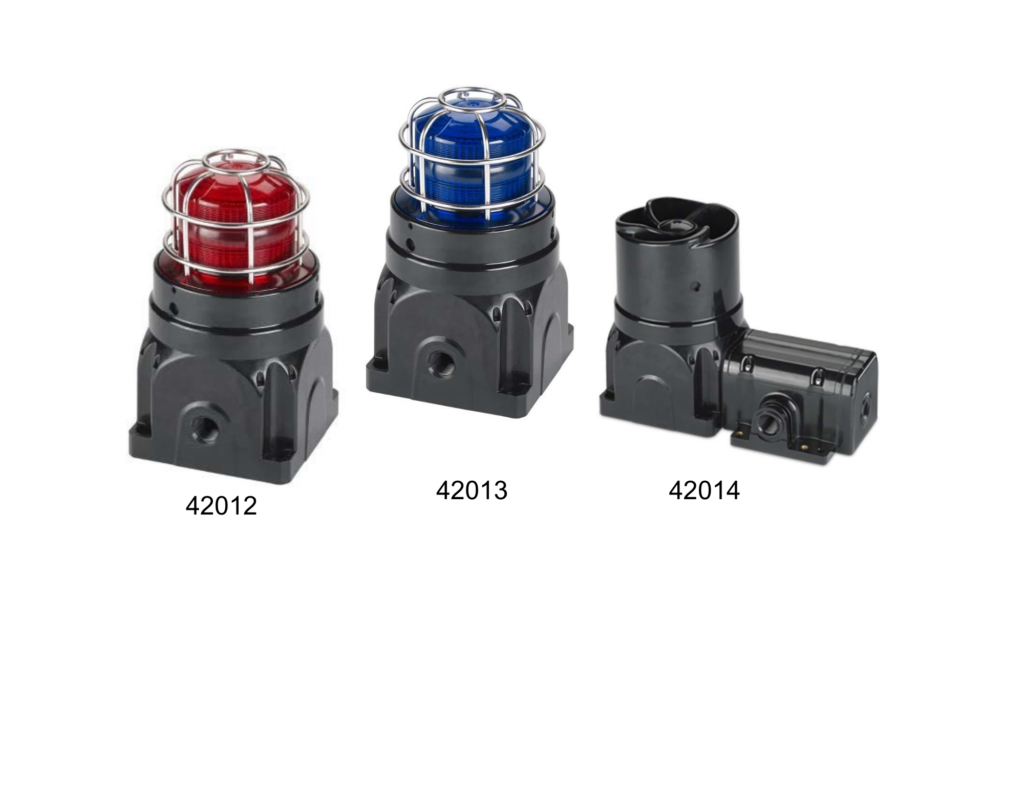
Flameproof / Hazardous Location Strobe with optional Horn

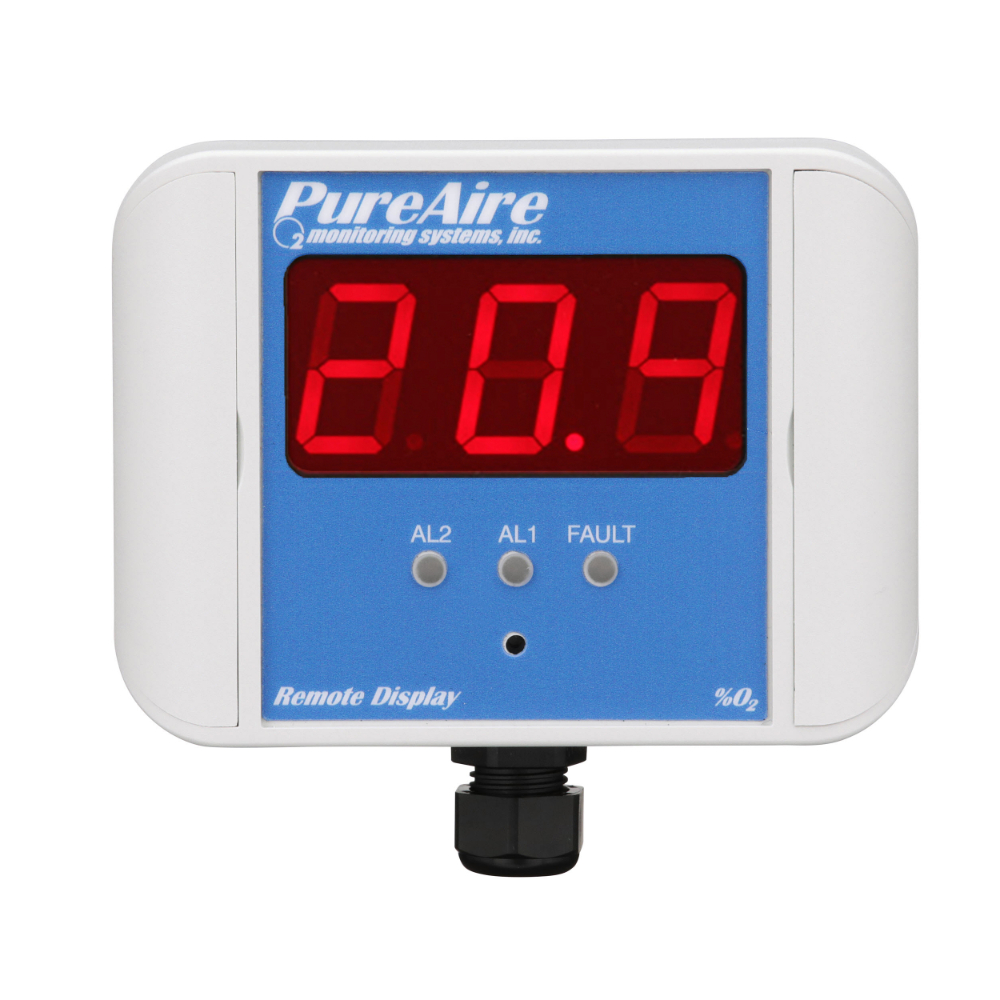
Remote Digital Display LEL 99185

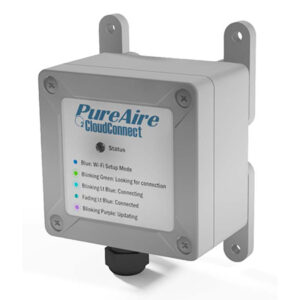
CloudConnect

8-Channel Touch Screen Controller for Oxygen, Carbon Dioxide, or Toxic/Combustible Gas Monitors

Multi-Channel Controller


Flammable Gas Safety

Designed to help detect combustible gas presence before it becomes dangerous.

Continuous Monitoring

Provides around-the-clock oversight in high-risk areas.

Facility Integration

Built to fit common alarm and monitoring workflows for broader awareness.

Industrial Readiness

Suitable for manufacturing, storage, and process environments.

A combustible gas detector continuously monitors the air for flammable gases like methane, propane, or hydrogen. It alerts you before concentrations reach explosive levels, protecting workers, property, and compliance with fire codes.

Depending on the sensor type, detectors measure gases such as methane, propane, butane, hydrogen, ethylene, and other hydrocarbons.

Combustible gases become dangerous when they mix with air in certain concentrations. These are called explosive limits:

  • Lower Explosive Limit (LEL): The lowest concentration of a gas in air that can ignite if exposed to an ignition source. Below the LEL, the mixture is too “lean” to burn.
  • Upper Explosive Limit (UEL): The highest concentration of a gas in air that can ignite. Above the UEL, the mixture is too “rich” to burn.
  • LEL: Percentage of gas concentration at which ignition becomes possible. Combustible detectors typically measure 0–100% LEL.
  • PPM (parts per million): A finer measurement, usually used for toxic gases rather than combustibles.
  • Molecular Property Spectrometer (MPS): Multi-gas, long life, low maintenance. MPS sensors use advanced spectroscopy to analyze the molecular properties of gases in real time, distinguishing multiple gases with one sensor and without requiring frequent calibration.
    • Detects multiple flammable gases with one sensor.
    • Long lifespan of 15+ years, with minimal calibration required.
    • Resistant to poisoning or drift.
    • Works across wide temperature and humidity ranges.
    • Applications: Oil & gas, industrial plants, labs, battery charging areas, and environments with unknown or mixed flammable gases.
    • Detection limits: Typically, down to 0–100% LEL.
    • Gases detected: Hydrogen, methane, propane, butane, ethylene, ethane, and more (14+ common hydrocarbons).
  • Electrochemical Sensors: Gas molecules react with an electrolyte inside the sensor, producing an electrical signal proportional to gas concentration.
    • High sensitivity and selectivity.
    • Compact and cost-effective.
    • Low power consumption.
    • Limited lifespan (2–3 years).
    • It can be cross-sensitive to other gases.
    • Environmental conditions (humidity, temp) affect performance.
    • Applications: Toxic gas monitoring (CO, H₂S, NO₂, Cl₂, O₂ deficiency/enrichment). Widely used in confined space entry, labs, and industrial facilities.
    • Detection limits: Parts per million (ppm) — varies by gas.
    • Gases detected: Carbon monoxide, hydrogen sulfide, nitrogen dioxide, chlorine, oxygen, ammonia, and other toxic gases.
  • Pellistor (Catalytic Bead): Low-cost but requires oxygen and regular calibration. Detects flammable gases by oxidizing them on a heated catalyst bead, causing a temperature change and resistance shift.
    • Proven, low-cost technology.
    • Effective for a wide range of flammable gases.
    • Fast response.
    • Lifespan 2–5 years.
    • Applications: Flammable gas monitoring in oil & gas, refineries, chemical plants, and confined spaces.
    • Detection limits: Typically 0–100% LEL.
    • Gases detected: Methane, propane, butane, hydrogen, and other combustibles.
  • Non-Dispersive Infrared (NDIR): Stable and durable, best for methane and CO₂, but cannot detect hydrogen. Infrared light passes through a gas sample; target gases absorb specific wavelengths, allowing concentration measurement.
    • Very stable, long life (5-10 years).
    • Low maintenance, no consumable parts.
    • Highly selective (specific gases absorb specific IR wavelengths).
    • Not effective for gases that don’t absorb IR (e.g., hydrogen).
    • Performance can be affected by dust/moisture.
    • Applications: CO₂ monitoring (greenhouses, breweries, labs, cryogenics), refrigerant leak detection, combustion safety.
    • Detection limits: ppm to % volume, depending on gas.
    • Gases detected: Carbon dioxide, methane, refrigerants, and hydrocarbons that absorb IR.
  • Photoionization (PID): Uses UV light to ionize volatile organic compounds (VOCs) and some toxic gases, producing a measurable current.
    • Extremely sensitive (ppb to ppm).
    • Detects a wide range of VOCs.
    • Fast response.
    • Requires frequent maintenance and calibration.
    • Can’t identify specific compounds – measures total VOCs.
    • Humidity can affect readings.
    • Applications: Environmental monitoring, hazmat response, industrial hygiene, and leak detection of solvents and VOCs.
    • Detection limits: Parts per billion (ppb) to parts per million (ppm).
    • Gases detected: Benzene, toluene, xylene, formaldehyde, and thousands of VOCs.

Install detectors near potential leak sources and where gases may accumulate. For lighter-than-air gases (e.g., hydrogen, methane), place sensors high; for heavier gases (e.g., propane, butane), place them near the floor.

In hazardous locations classified by OSHA or NFPA, explosion-proof or intrinsically safe detectors are required. PureAire offers explosion-proof options to meet these safety standards.


Yes. PureAire Combustible Gas Detectors include relay outputs for local alarms, ventilation activation, or connection to fire panels, SCADA, or remote monitoring systems like CloudConnect.

Yes. PureAire engineers its detectors for use under the International Fire Code (IFC) 916, OSHA requirements, and other industry standards. CloudConnect supports compliance with IFC §916.5 by delivering continuous monitoring, logging, and remote alerting.

  • MPS: 15+ years.
  • Electrochemical: 2-3 years.
  • Pellistor: 2–5 years.
  • NDIR: 5–10 years.
  • PID: 2-5 years.

Calibration is the process of exposing a gas detector to a known concentration of gas to verify and adjust its accuracy. Over time, sensors can drift due to environmental conditions, sensor aging, or contamination. Calibration ensures the monitor continues to give reliable, accurate readings.

  • MPS: Rarely requires calibration; designed for long-term stability.
  • Electrochemical: Every 6–12 months.
  • Pellistor: Every 3–6 months due to poisoning and drift risks.
  • NDIR: Usually once a year, sometimes less frequently.
  • PID: Often monthly or quarterly, depending on VOC exposure.

Best practice:

  • Bump test (a quick exposure to gas to confirm response): Before each use or daily in critical safety applications.
  • Full calibration: At the manufacturer’s recommended interval, or sooner if the bump test fails.

Always follow manufacturer recommendations and local safety codes.

A toxic gas detector continuously monitors the air for harmful gases, including carbon monoxide, chlorine, ammonia, and hydrogen sulfide. It warns personnel before levels reach dangerous concentrations. Toxic gas detectors protect workers from low-level poisonous gases (in the ppm range) that can cause immediate or long-term health effects.

The most common include:
• Carbon monoxide (CO) – parking garages, boiler rooms
• Hydrogen sulfide (H₂S) – oil & gas, wastewater treatment
• Chlorine (Cl₂) – water treatment, chemical plants
• Ammonia (NH₃) – refrigeration, food processing
• Nitrogen dioxide (NO₂) – vehicle maintenance facilities
• Sulfur dioxide (SO₂) – power plants, refineries
• Ozone (O₃) – semiconductor, pharmaceutical industries
• Refrigerant gases (classified as A1, A2L, B2L, A3) – HVAC systems, supermarkets, cold storage, data centers

• Electrochemical sensors: Accurate, low-level detection; best for most toxic gases (CO, H₂S, Cl₂, NH₃).
• PID (Photoionization Detectors): Detects volatile organic compounds (VOCs) and low-level hydrocarbons.
• NDIR (Non-Dispersive Infrared): Used more often for CO₂ or gases that absorb infrared light. NDIR sensor cells are highly effective for detecting refrigerant gases across classifications A1, A2L, B2L, and A3.

• CO: 0–100 ppm, 0–1,000 ppm
• H₂S: 0–30 ppm, 0–200 ppm
• Cl₂: 0–1 ppm, 0–3 ppm, 0–10 ppm, 0–50 ppm, 0–200 ppm
• NH₃: 0–75 ppm, 0–100 ppm, 0–200 ppm, 0–300 ppm, 0–1,000 ppm
• NO₂: 0–2 ppm, 0–9 ppm, 0–15 ppm, 0–20 ppm
• SO₂: 0–15 ppm, 0–20 ppm
• O₃: 0–0.3 ppm, 0–1 ppm, 0–3 ppm, 0–300 ppm
• Refrigerant gases (A1, A2L, B2L, A3 classifications): 0–500 ppm, 0–1,000 ppm, 0–5,000 ppm

• Oil & gas: H₂S monitoring in drilling and refining
• Water/wastewater treatment: Chlorine and H₂S detection
• Food & beverage: Ammonia refrigeration monitoring
• Laboratories & pharma: VOC and toxic gas detection
• Manufacturing & automotive: CO and NO₂ monitoring
• Power generation: SO₂ monitoring in flue gas areas
• HVAC, supermarkets, cold storage & data centers: Refrigerant leak monitoring (A1, A2L, B2L, A3 gas classifications)

Consider:
• The specific gas hazards in your facility
• Sensor type (electrochemical, PID, NDIR, etc.) based on gas and concentration range
• Installation environment (indoor, outdoor, temperature/humidity conditions)
• Compliance needs (OSHA, IFC, local codes)
• Integration with alarms, PLCs, or cloud monitoring systems like PureAire’s CloudConnect

• Electrochemical sensors: Every 6–12 months
• PID sensors: Every 3–6 months
Always follow the manufacturer’s recommendation and perform bump tests for safety.

• LEL: Percentage of gas concentration at which ignition becomes possible. Combustible detectors typically measure 0–100% LEL.
• PPM (parts per million): A finer measurement, usually used for toxic gases rather than combustibles.

Yes, in most cases. Some gases, such as hydrogen sulfide (H₂S), carbon monoxide (CO), and ammonia (NH₃), pose toxic risks at very low concentrations (ppm levels) and combustible risks at higher concentrations (% LEL).
• A toxic gas detector is needed to protect worker health by alarming at ppm exposure limits set by OSHA and other agencies.
• A combustible gas detector is needed to prevent explosions or fires when gas levels approach the Lower Explosive Limit (LEL).

Since the alarm thresholds and sensor technologies differ, a single detector usually cannot provide both types of protection. Many facilities use both toxic and combustible gas detectors for full coverage, often integrated into a single safety system.  This system can activate building ventilation and advanced warning systems when gas levels reach dangerous concentrations.

If a gas is toxic at low ppm and combustible at higher % LEL, you may need dual detection — one detector set for ppm exposure, another for explosion hazard. Sensor selection depends on whether the primary risk is worker health, explosion, or both.