
System Helps Control Odors from Municipal Waste Treatment Facilities

System Helps Control Odors from Municipal Waste Treatment Facilities

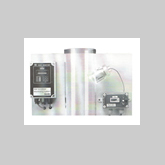
Highly effective, field-proven system for helping control hydrogen sulfide (H2S) emissions from municipal waster water treatment plants is now available from PureAire Monitoring Systems. Designed for use in 100% condensing RH environments, the PureAire Chlorine Monitor responds almost instantaneously to changes in chlorine concentration, making it ideal for controlling the addition of H2S oxidizers such as sodium hypo chloride in both mist-type and packed-bed scrubber systems. It is available in four different measurement ranges: 0 to 1 ppm, 0 to 3 ppm, and 0 to 10 ppm.

The system operates on the principle that as long as Cl2 is present in the scrubber, any H2S entering the system will be oxidized. As the H2S load increases, the resulting decrease in residual chlorine levels is detected and a signal sent to a companion controller to increase the rate of chemical injection/addition. Conversely, when the H2S load subsides and the measured chlorine level increases, the controller decreases chemical injection/addition. The PureAire Chlorine Monitor consists of a renewable, electrochemical sensor and companion transmitter, which may be linked to user-supplied programmable logic controller. The system has proven effective in helping eliminate H2S emissions and reduce chemical consumption in municipal waster treatment plants in Virginia, Florida, Arizona, and other states.

Pureaire, semiconductor, oxygen monitor, oxygen detector, nitrogen, argon, helium, gas monitor, gas detectors, 10+ year sensor,
Gas detector, gas monitor, gas detection, toxic gas monitor, combustible gas monitor, gas analyzer, gas detecting, gas monitoring

Related Posts

Stay Ahead of Combustible and Toxic Risks

Stay Ahead of Combustible and Toxic Risks

Hidden Dangers in Paint Booth Environments A single unnoticed buildup of flammable paint vapor can turn a routine spray operation into a catastrophic fire within seconds. Many facility managers and painters believe that a well-ventilated paint booth is a safe working environment. Unfortunately, that is not always the case. Paint booths are essential in the […]
Combustible Gas Detectors Explained: LEL Gas Detection, Safety Risks, and Code Compliance

Combustible Gas Detectors Explained: LEL Gas Detection, Safety Risks, and Code Compliance

Why Combustible Gas Detectors Are Necessary PureAire Combustible Gas Detectors are indispensable safety devices that continuously monitor and detect flammable and explosive gases before they reach dangerous levels. These detectors provide early warning of gas leaks or accumulations that could otherwise go unnoticed until a fire or explosion occurs. Many combustible gases, such as methane, […]
U.S. Liquid Nitrogen and Semiconductor Gas Markets Highlight Growing Need for Oxygen Deficiency Monitors

U.S. Liquid Nitrogen and Semiconductor Gas Markets Highlight Growing Need for Oxygen Deficiency Monitors

The Expanding Liquid Nitrogen Market and Its Role in High-Tech Manufacturing The U.S. liquid nitrogen (LN₂) market has become a cornerstone of modern industry—powering semiconductor fabrication, biotechnology, healthcare, food processing, and energy. Market leaders including Air Products & Chemicals, Linde plc, Air Liquide, and Messer Group continue to invest in air-separation capacity, logistics, and service […]
Gas Detection in Pharmaceutical Manufacturing:  Protecting Peptide and Oligonucleotide Facilities

Gas Detection in Pharmaceutical Manufacturing: Protecting Peptide and Oligonucleotide Facilities

Protecting Safety in Advanced Pharmaceutical Environments The production of peptides and oligonucleotides involves handling large volumes of solvent, working with cryogenic gases, and operating in cleanroom environments. These conditions make gas detection systems—including oxygen monitors, combustible gas detectors, and gas leak detectors—critical for protecting workers, maintaining compliance, and ensuring uninterrupted production. Learn more about peptide […]