

Butane for THC and CBD Extraction Trend Requires Some Simple Steps to Stay Safe
- By : PureAire Monitoring Systems
- Posted on : May 28, 2020
- News Room
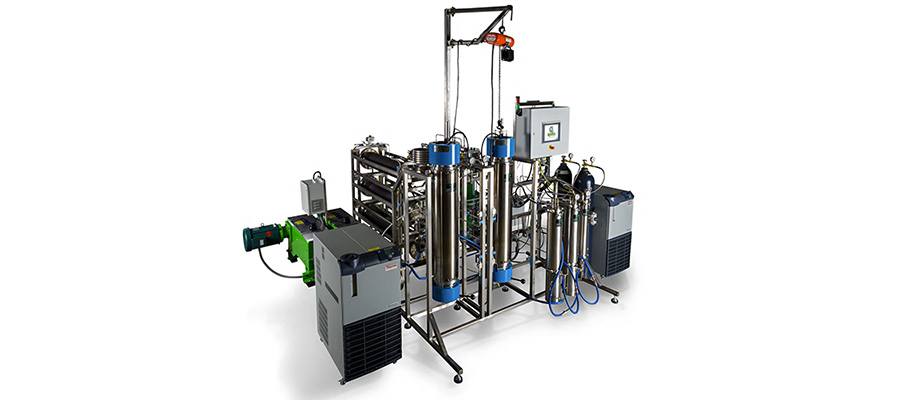
On May 17th, 2020, twelve firefighters were injured after an explosion occurred at a facility where butane is used for cannabis extraction. It is not yet known if butane was the cause of the explosion but, it was reported that, butane canisters were found in and around the building. The investigation is ongoing.
According to a Politico article, following an uptick in explosions in Colorado, fire officials there persuaded the National Fire Protection Association, which establishes a fire code for the whole country, to amend its rules to address hazards at facilities that grow and extract marijuana. The revised code requires any hazardous extraction process to be performed in a non-combustible room, in a building that contains no child or health care facilities. Staff must be trained on the safe operation of the extraction equipment, and the extraction room must be equipped with a gas detection system and multiple fire extinguishing systems.
Extraction
Extraction is a process by which desired chemical compounds are extracted and separated from the cannabis plant. Extraction strips the plant of essential oils, including CBD, THC, and terpenes (aromatic oils that give cannabis plants their distinctive scents). The extracted oils can be utilized in vape pens, edibles, capsules, tinctures, and topical solutions.
Butane is one technique used to separate essential oils from the plant material. The use of butane for extraction is popular owing, in large part, to the relatively low overhead costs, efficiency (including the wide variety of products that can be created from a single extraction, without the need for further refinement), and high-product quality associated with this technique. For instance, the low boiling point of butane allow extractors to remove the desired compounds without risking evaporation of, or damage to, the delicate and heat-sensitive cannabinoids and terpenes. Moreover, the low boiling point makes it relatively easy to purge any residual butane at the end of the extraction process, leaving behind only a relatively pure product.
Gas Detection Monitors Can Protect Extractors and Their Employees
While butane is important for extracting essential oils from cannabis plants use of this gas is not without risk, since extraction facility personnel and property are exposed to potential leaks from gas supply lines and storage containers. Butane is a highly flammable and explosive gas as well. Absent appropriate gas monitoring, an explosion can occur if butane vapors are ignited by a spark, heat, or open flame.
Proper gas detection equipment should be placed where the cannabis extraction process takes place, as well as in butane storage rooms, and in any other site where butane may be expected to accumulate. The gas detection equipment should include the capacity to activate visual and audible alarms, stopping the flow of gas, and turning on the ventilation system.
PureAire Monitors
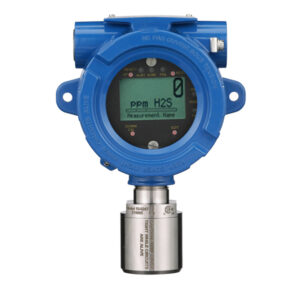 PureAire Monitoring Systems has safety monitors to meet the needs of cannabis extractors using butane. Extractors utilizing butane rely on PureAire’s LEL, explosion-proof, combustible gas monitors. The monitor is housed in a NEMA 4 enclosure specifically designed to prevent an explosion. The durable, long-life LEL catalytic sensor will last 5+ years without needing to be replaced.
PureAire monitors feature an easy-to-read screen, which displays current levels for at-a-glance observation by employees, who derive peace of mind from the monitor’s presence and reliable performance. In the event of a gas leak, PureAire’s monitors will set off alarms, complete with horns and flashing lights, alerting personnel to evacuate the area. At the same time, the monitors can be programmed to turn off the flow of butane and turn on the ventilation system.
In short, PureAire’s monitors enable cannabis extractors, in a cost-effective manner, to preserve both the quality of their products and the well-being of their employees.