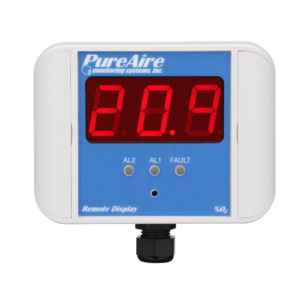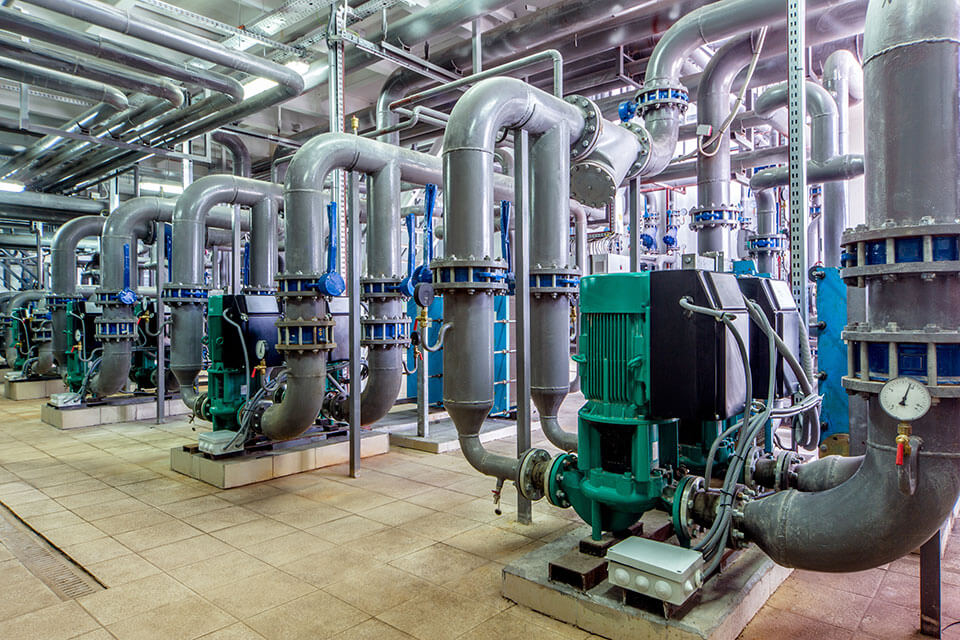
In an effort to prevent boiler room accidents due to elevated levels of carbon monoxide, the Texas Department of Licensing and Regulation (TDLR) has adopted new regulations (16 Tex. Admin. Code § 65.206) regarding carbon monoxide (CO) gas detection equipment that is used in boiler rooms built on or after September 1, 2020.
Carbon monoxide
Carbon monoxide gas is produced from the incomplete burning of natural gas, wood, coal, oil, propane gas, or anything else that contains carbon. In enclosed spaces such as boiler rooms, where fuels such as natural gas, oil, coal, or propane may be used, CO levels can rise quickly creating a dangerous health and safety risk. Carbon monoxide is an odorless, colorless, tasteless, and flammable gas that can be deadly within minutes without warning.
Exposure to CO can cause chest tightness, headache, fatigue, dizziness, nausea, confusion, loss of consciousness, and even death.
Additionally, carbon monoxide gas is highly flammable and can ignite easily when exposed to oxygen and/or a source of ignition such as a spark or excessive heat.
Methane
Methane (CH4), a primary component of natural gas, produces carbon monoxide if incompletely burned. Methane, like CO, is colorless, highly flammable, and odorless unless an additive is used to give it an odor. High levels of methane can deplete oxygen causing headaches, dizziness, weakness, loss of coordination, and asphyxiation.
Keeping Boiler Rooms Safe with a Dual CO/CH4 Combustible Gas Detector
Carbon monoxide is often referred to as a silent killer because it has no warning properties. Absent appropriate gas detection equipment, people working in and around boiler rooms, would be unable to detect an accumulation of carbon monoxide. To detect, and protect against, risks emanating from excessive concentrations of CO or CH4, best practices include placing gas detection monitors, containing visual and audible alarms, in boiler rooms where carbon monoxide or methane may accumulate.
PureAire Gas Detectors
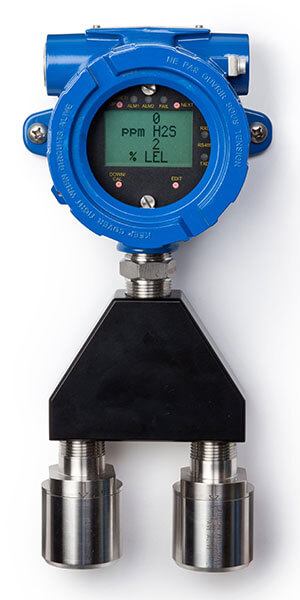
PureAire Monitoring Systems’ Dual Carbon Monoxide/Methane Combustible Gas Detector offers continuous readings of CO and CH4. The gas detector features an easy-to-read screen, which displays current carbon monoxide and methane levels for at-a-glance observation by employees servicing boiler rooms, who derive peace of mind from the detector’s presence and reliable performance. In the event of an accumulation of carbon monoxide or methane to an unsafe level, the detector will set off an alarm, complete with horns and flashing lights, alerting personnel to evacuate the area. At the same time, the PureAire gas detector can be programmed to disable the burners when CO levels reach a user-selectable ppm-level.
The monitor is housed in a NEMA 7 explosion-proof enclosure suitable for Class 1, Division 1 and 2, Group B, C, and D.