

What is a Oxygen Deficiency Monitor?
- By : PureAire Monitoring Systems
- Posted on : June 21, 2020
- News Room
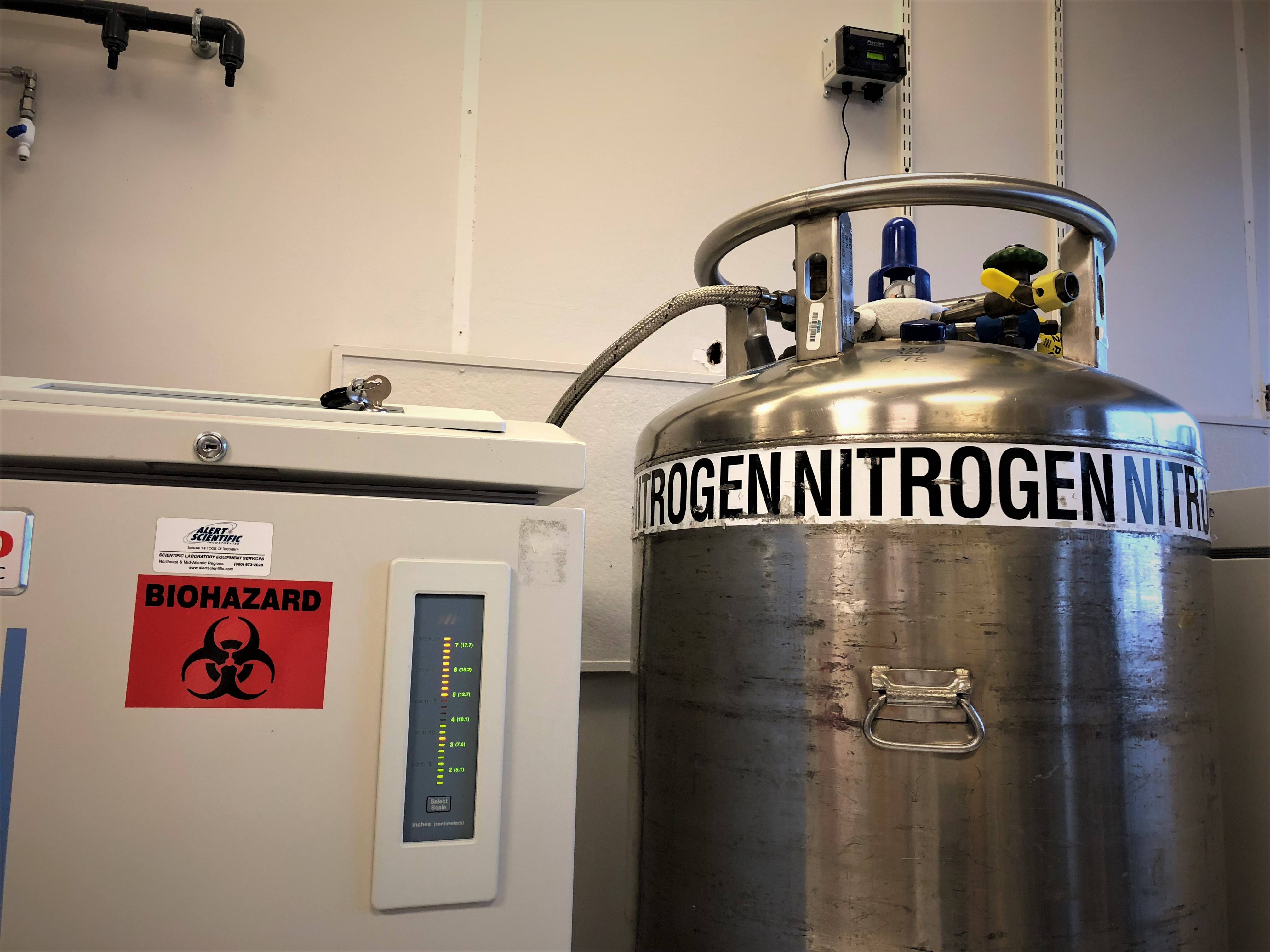
If you’re wondering how to monitor oxygen levels in a room, look no further than an oxygen monitor. Learn how to use an oxygen monitor, where you install an oxygen monitor, and why this one little device could save a life.
Why Should I Measure Oxygen Levels in a Room?
Before we can answer the question of how to measure oxygen levels in a room, we must look at why you’re measuring oxygen levels in a room.
The air’s natural oxygen concentration is around 21 percent; however, natural oxygen in the air can be displaced by certain gases, including nitrogen and argon. If nitrogen were to leak in a closed space, oxygen levels would fall. Since nitrogen and other inert gases have no color or odor, it’s not as if you can spot a nitrogen leak occurring.
When oxygen levels fall below the safe threshold, which is 19.5 percent, health hazards may occur. With only a few breaths of oxygen deficient air, you could fall unconscious and suffocate. Given these safety risks, leak detection systems are necessary.
What is an Oxygen Monitor?
An oxygen monitor is a device that measures oxygen levels in the room, to ensure the air has enough oxygen for respiration. Also called an oxygen deficiency monitor or an O2 monitor, an oxygen monitor uses a sensor to measure oxygen levels. By tracking oxygen levels, gas leaks can be detected even though the leaking substance cannot be seen or smelled.
Oxygen monitors come with a range of features, including built-in alarms that go off when leaks occur. There is usually a loud alarm (designed to be heard over machine noise) as well as a flashing light.
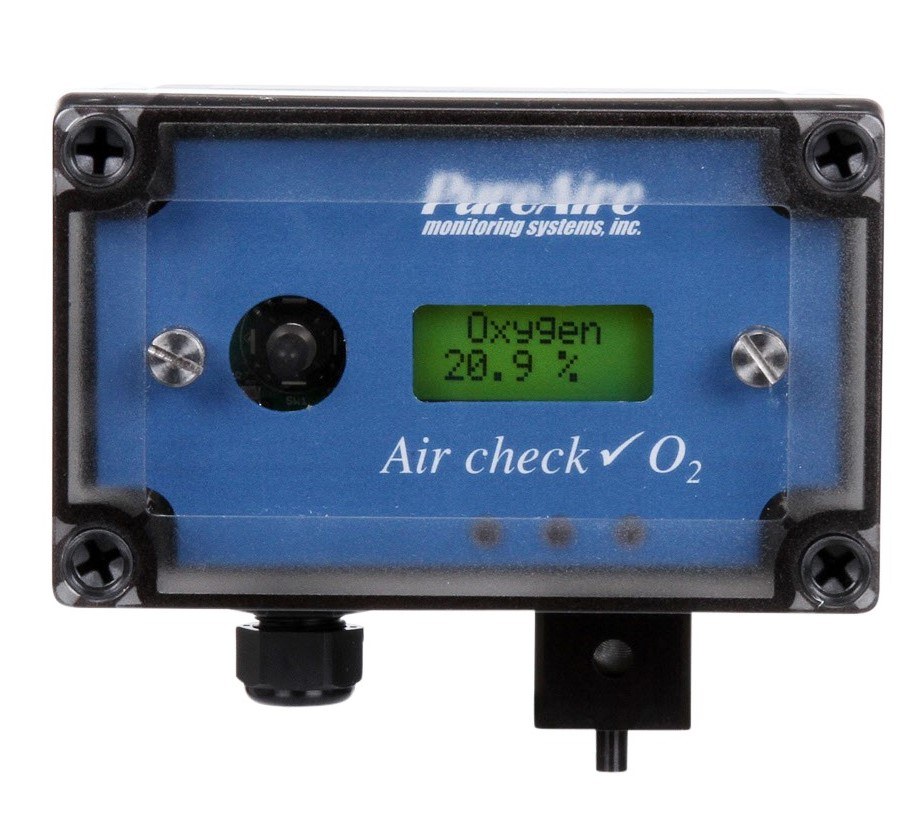
Oxygen levels differ in their setup and maintenance needs, which makes the question of how to use an oxygen monitor a little more challenging to answer. Some brands of oxygen monitor require annual maintenance and calibration. Other styles of oxygen monitor, such as those sold at PureAire, do not need calibration after installation. PureAire’s O2 monitors are designed to work efficiently and accurately for 10 or more year after installation, saving time and money.
Where You Install an Oxygen Monitor?
Oxygen monitors should be installed anywhere there is a risk of gas leaks. Place one oxygen monitor in any room where you store inert gases and in any room where these gases are used. This way, if you have a helium, argon, or nitrogen spill — for instance, in a university science lab — the oxygen sensor will detect the lower levels of oxygen and sound the alarm.
How do You Install an Oxygen Monitor?
Oxygen monitors can be mounted on the wall using a bracket and screw, then connected via plug-in-the-wall power supply. Alternately, oxygen monitors can be hardwired with the services of an electrician. It’s your choice. We recommend that oxygen monitors be installed 3 to 5 feet off the ground, and 3 to 5 feet away from any obstacle, such as a gas tank.
Oxygen monitors deliver peace of mind that your employees and your facility are protected from the hazardous side effects of a gas leak. They may be required by industry regulations. To get an industry-leading oxygen monitor that’s maintenance-free, look to PureAire.